Black History Celebration 2026
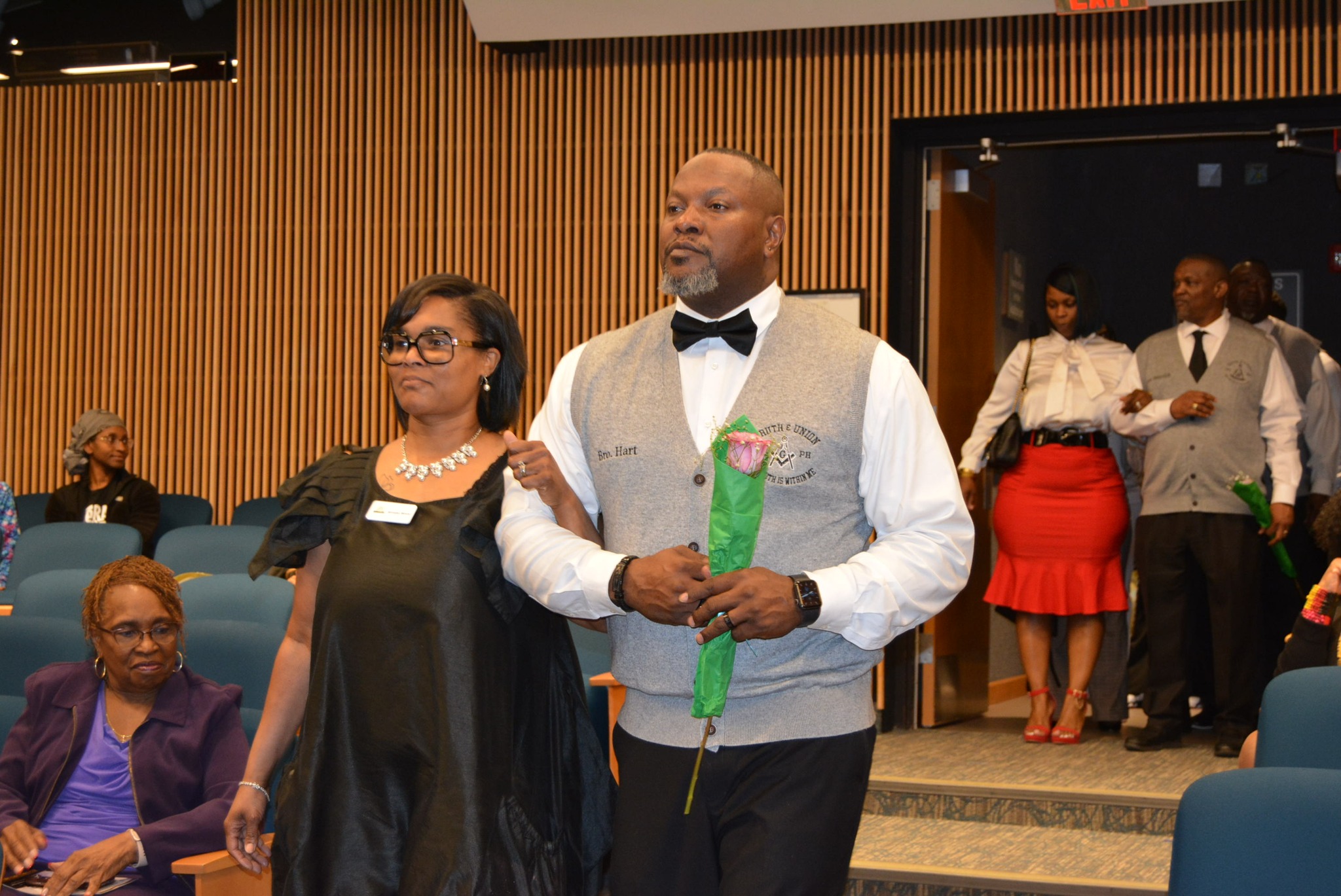
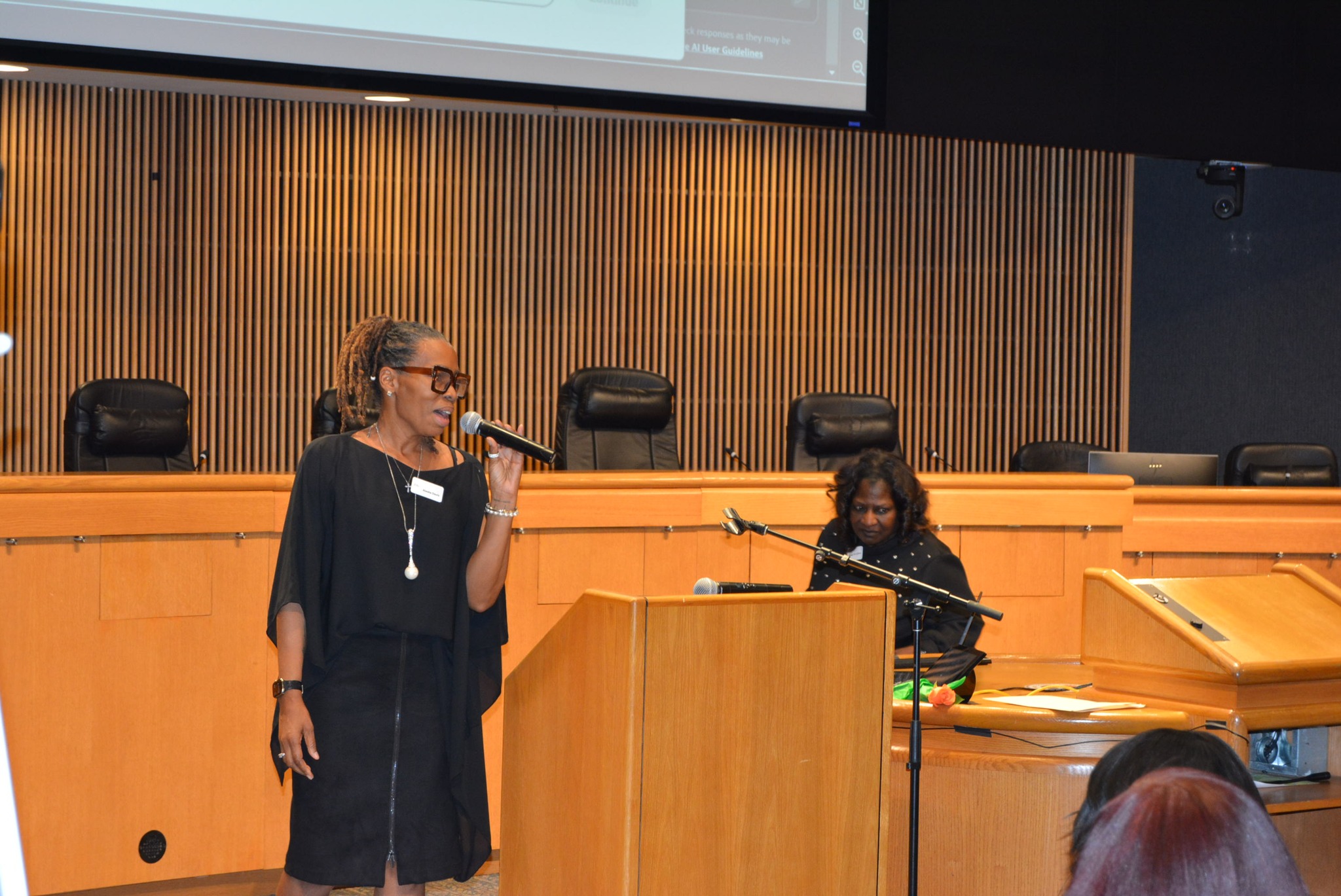
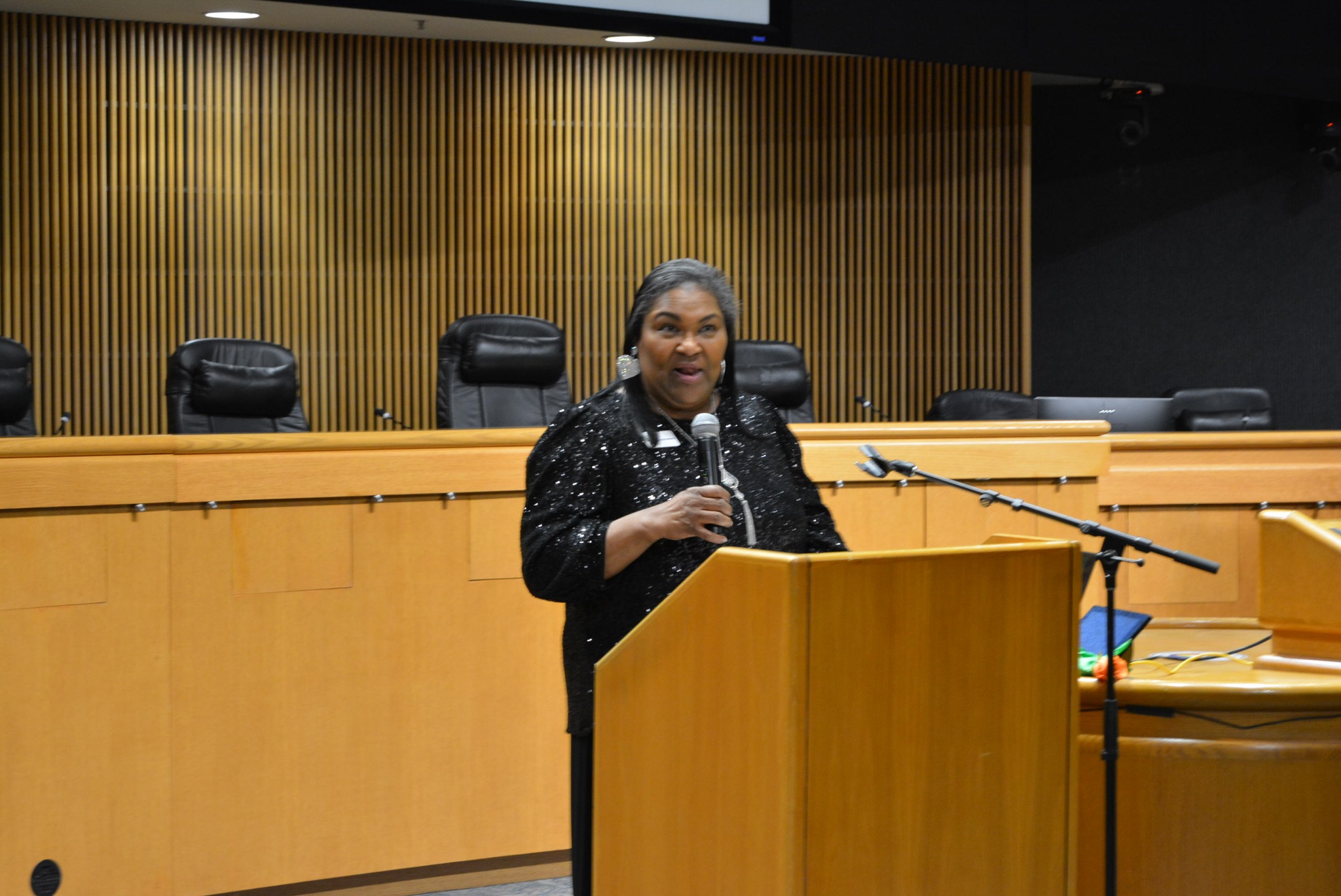
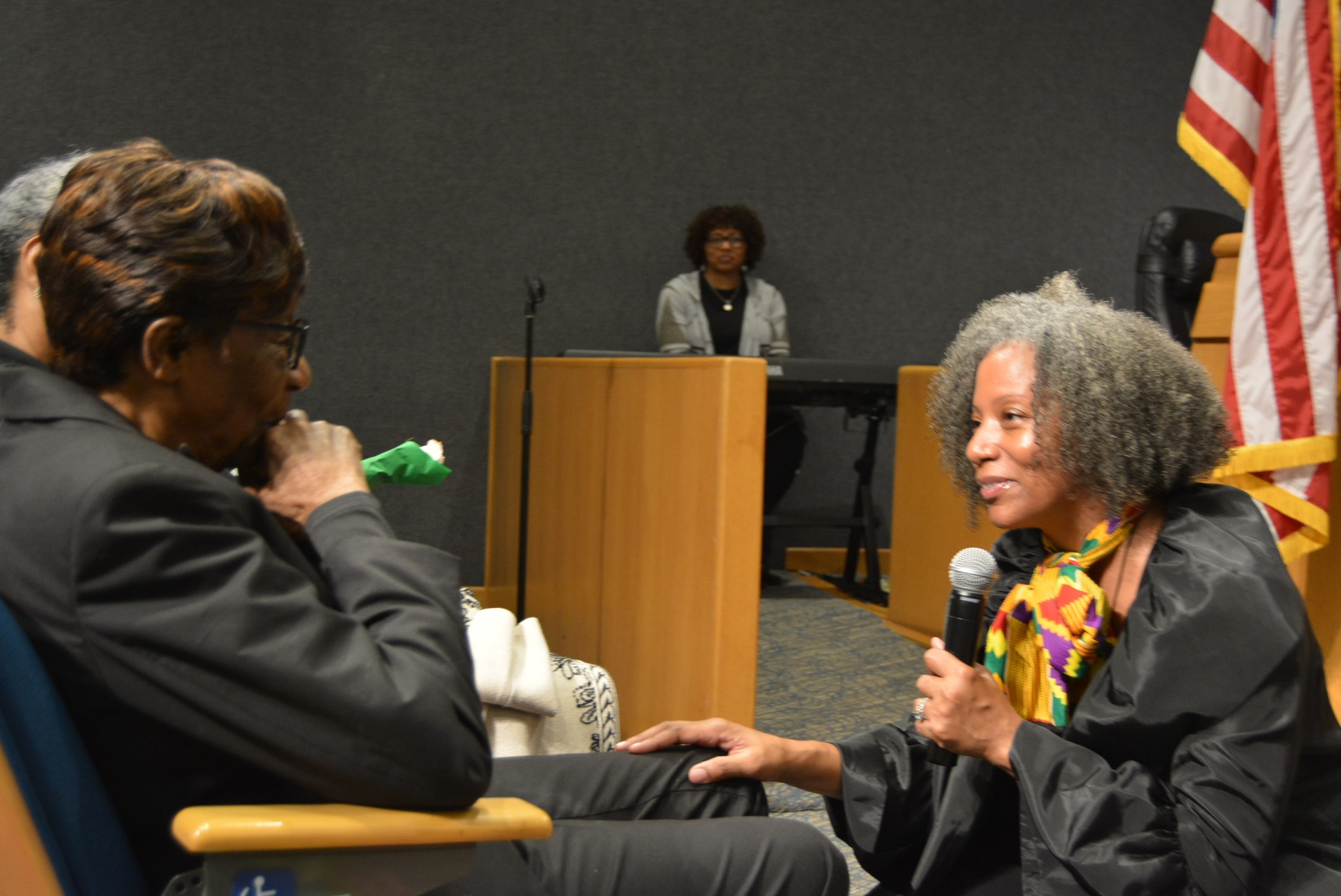
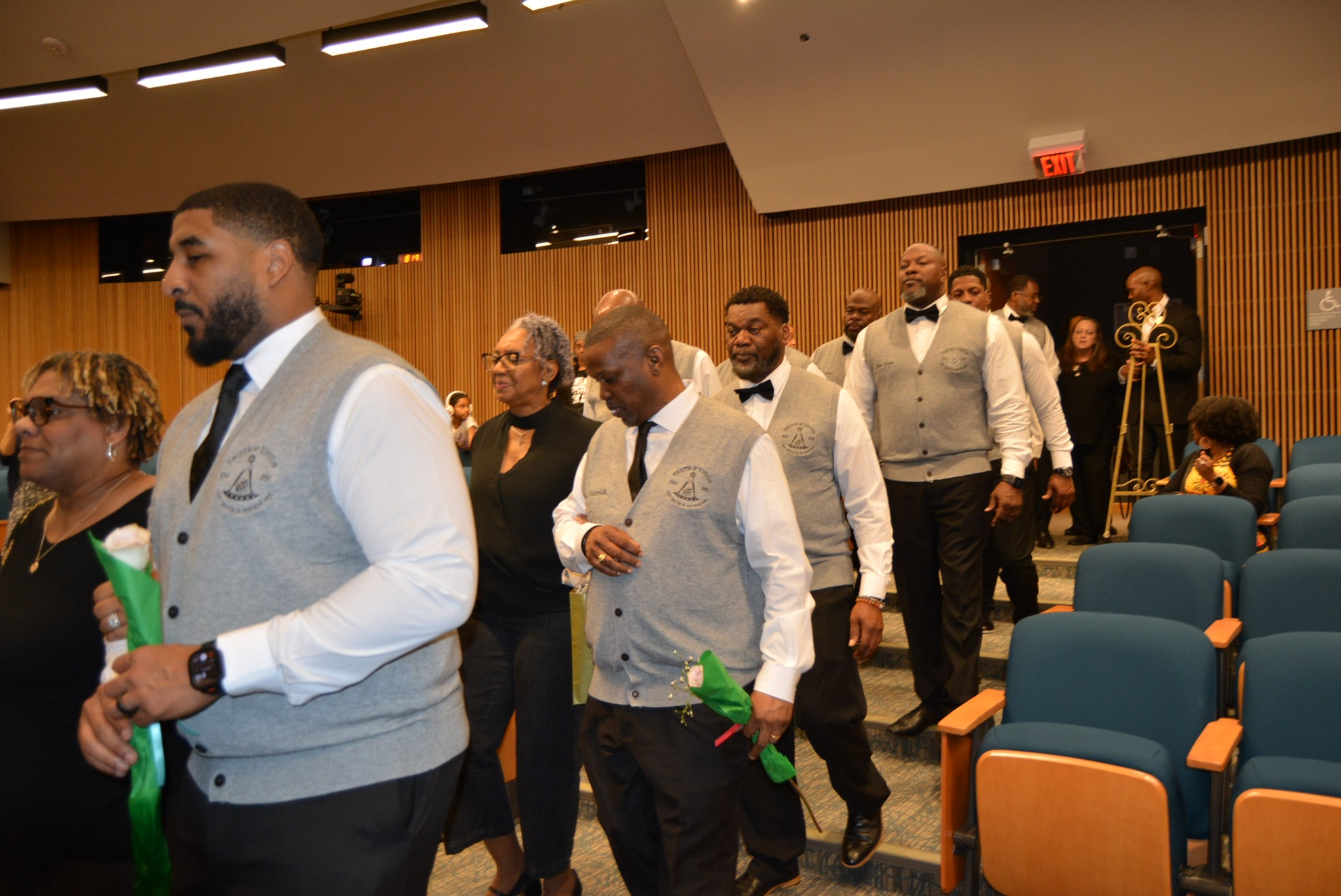
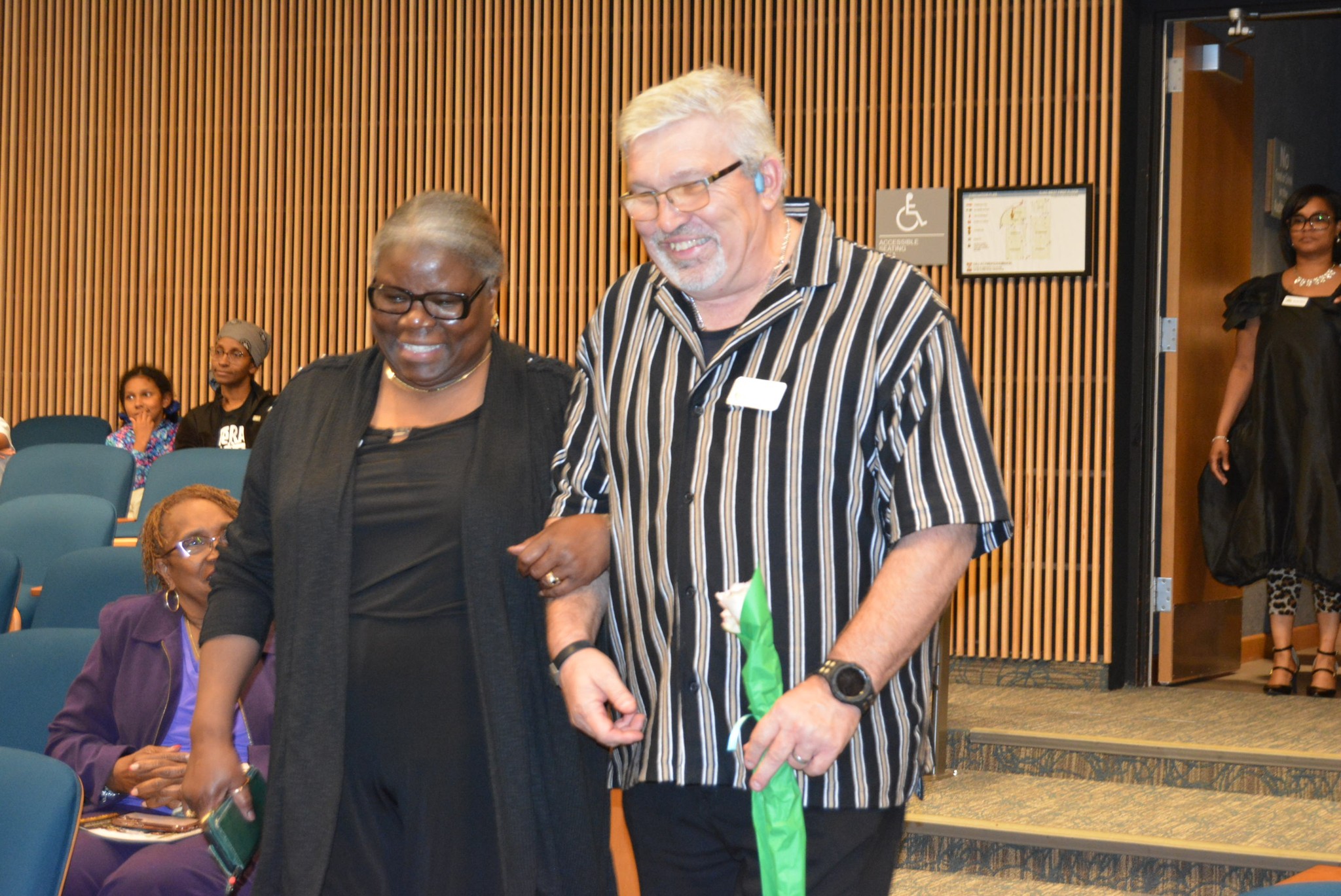
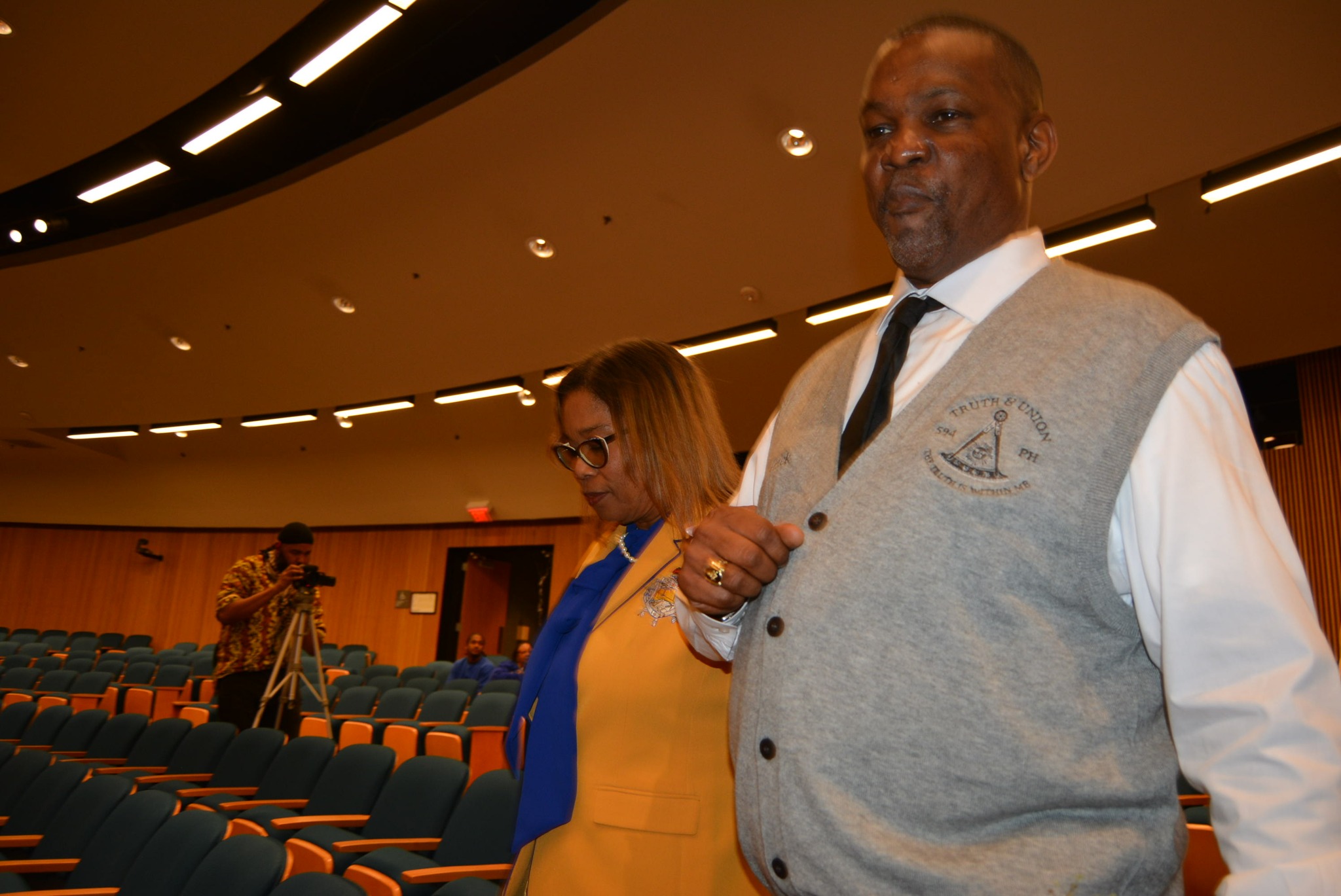
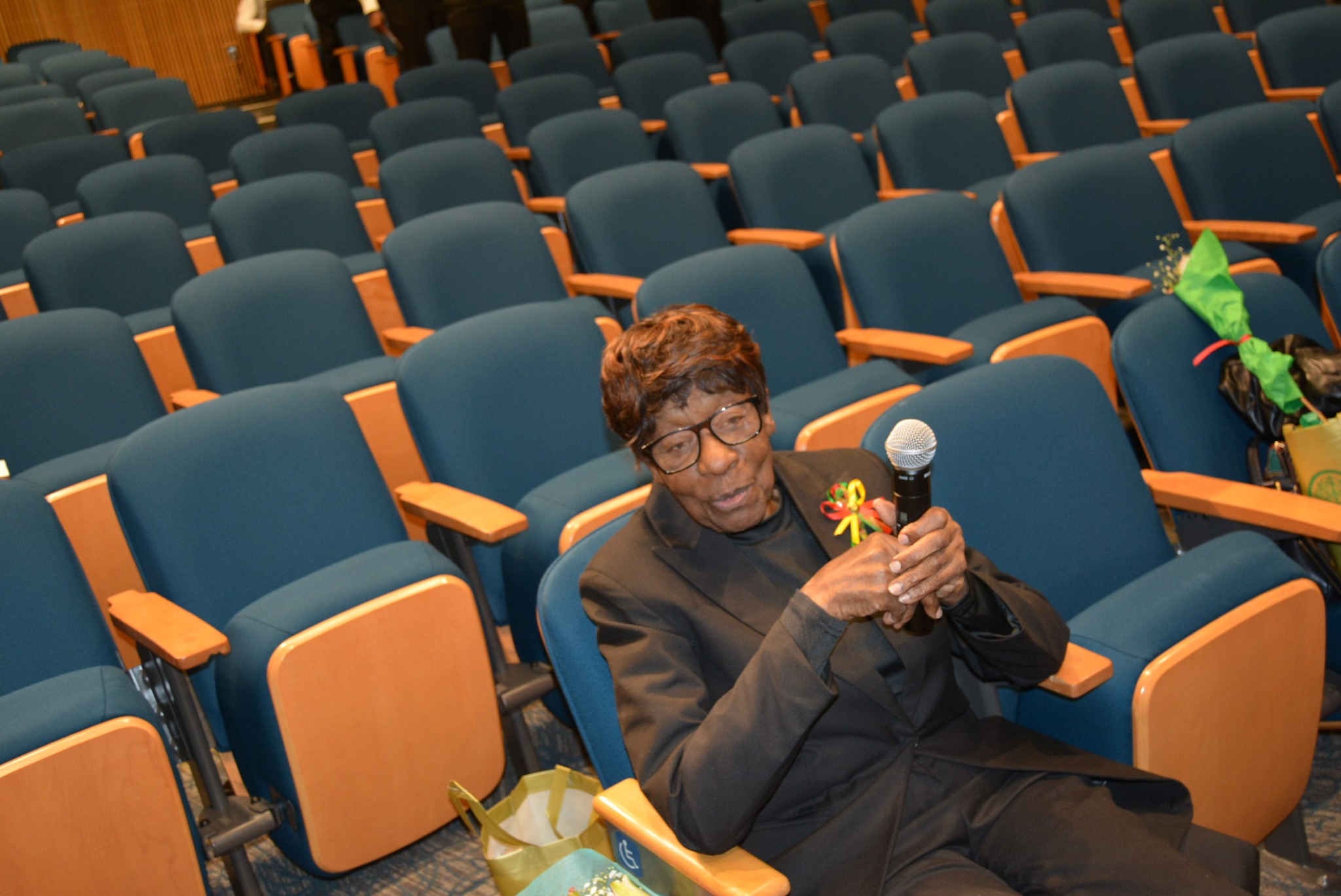
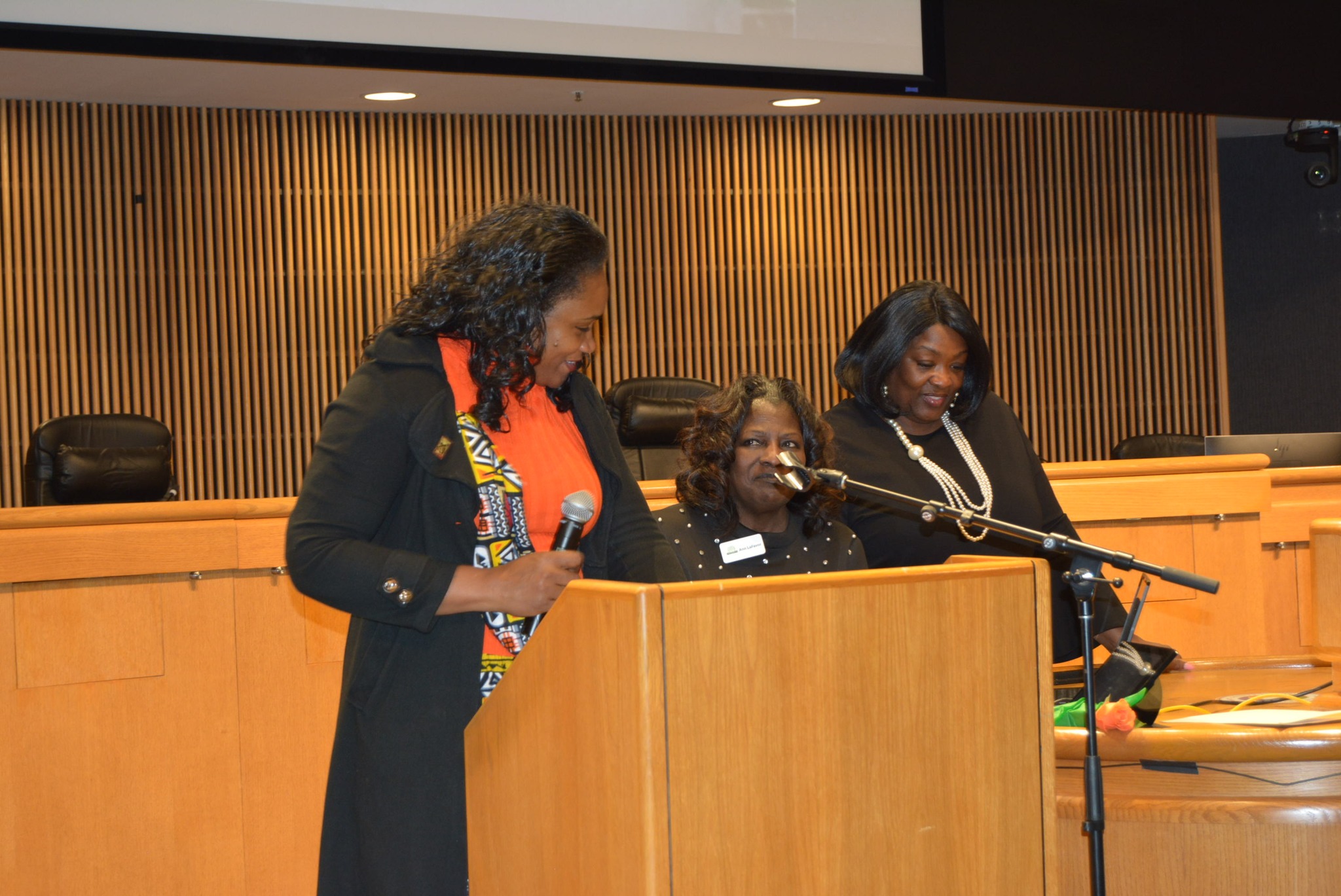
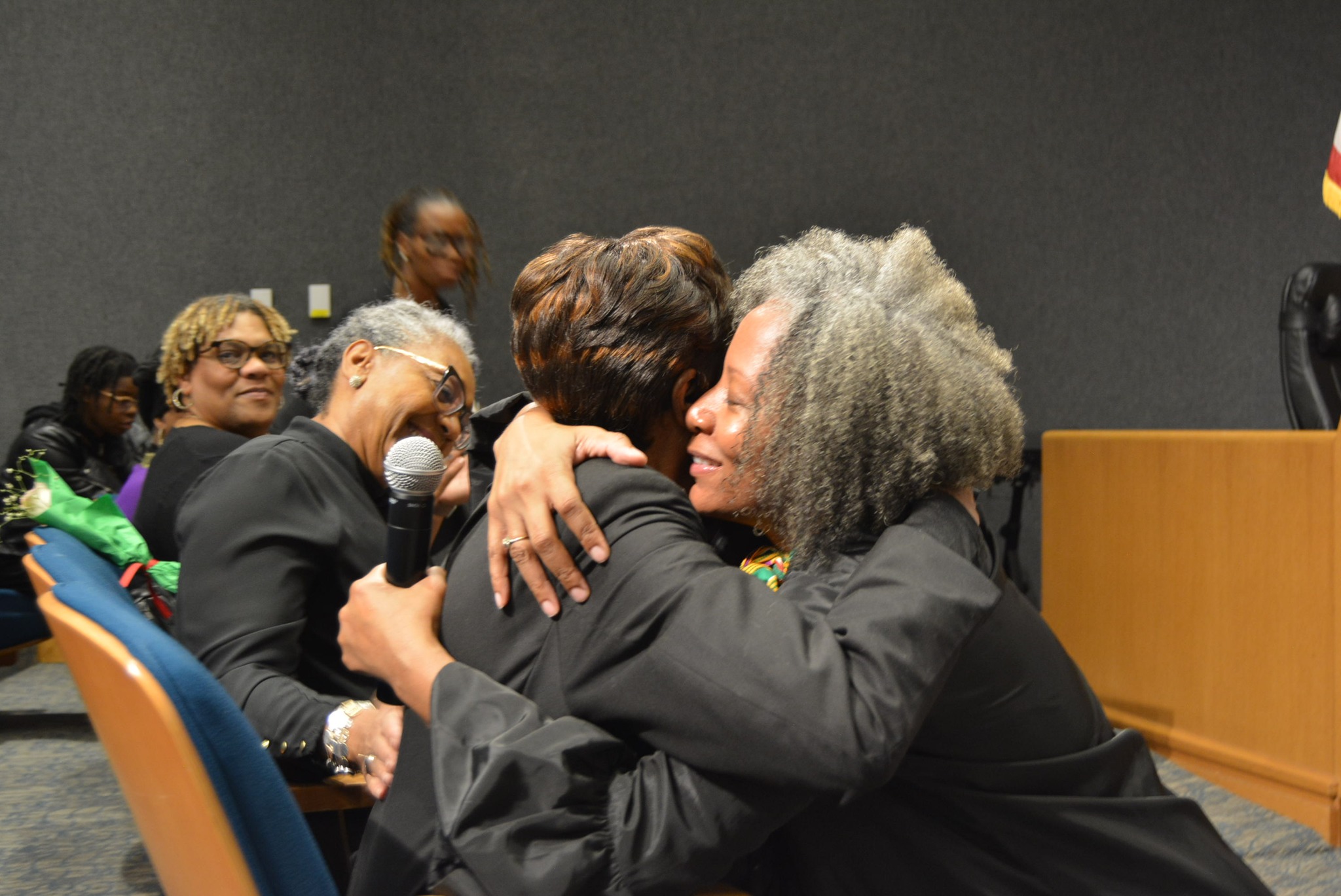
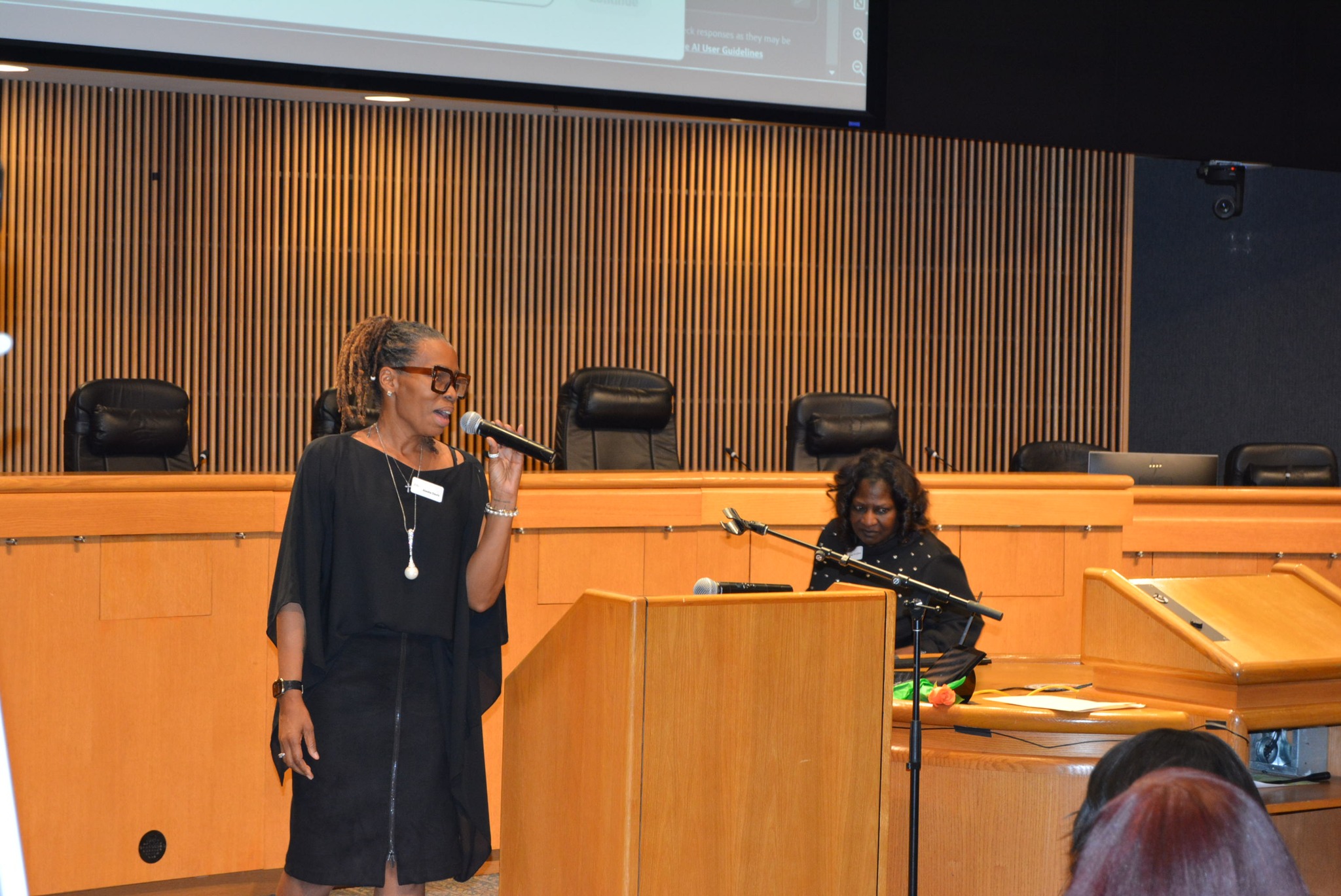
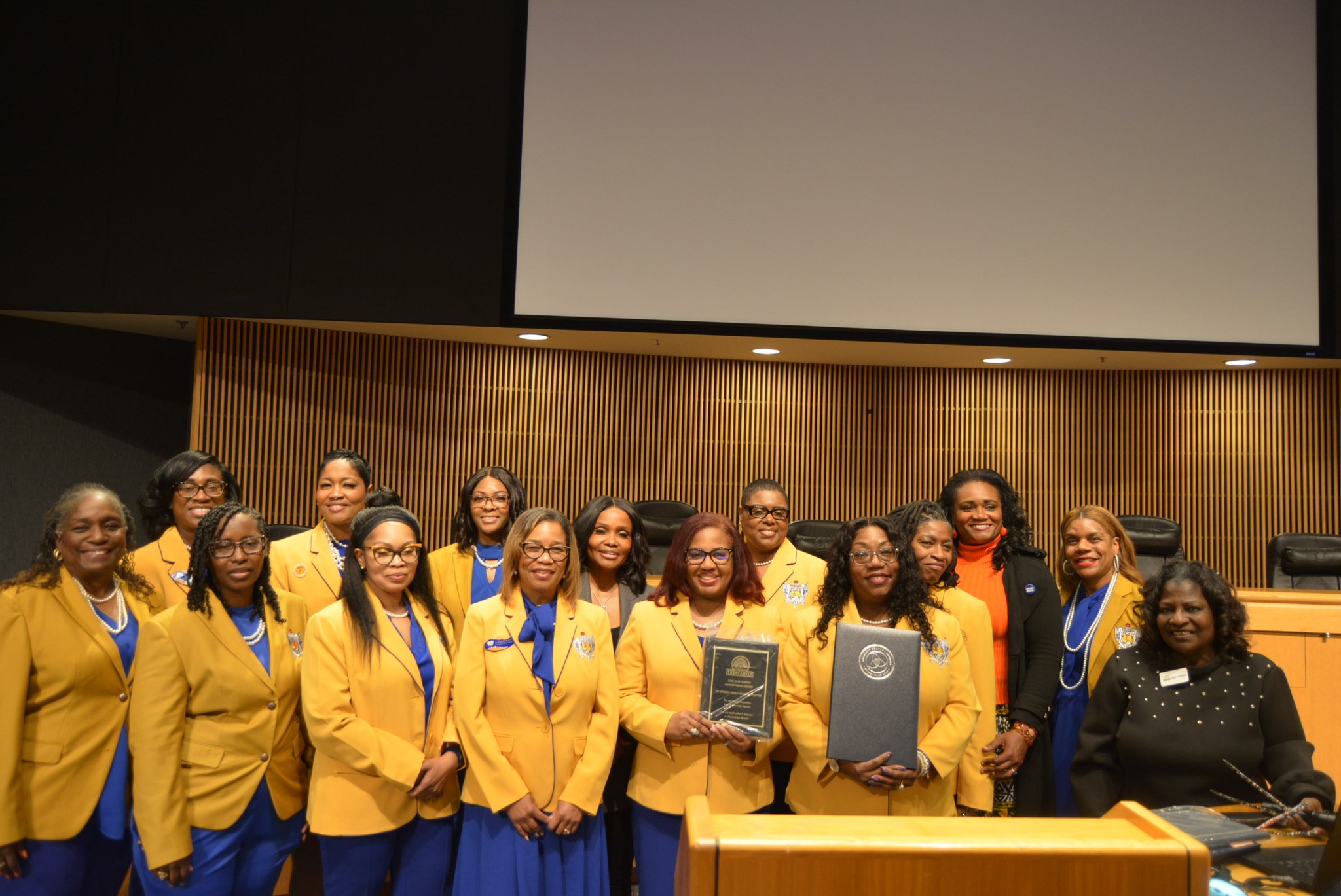
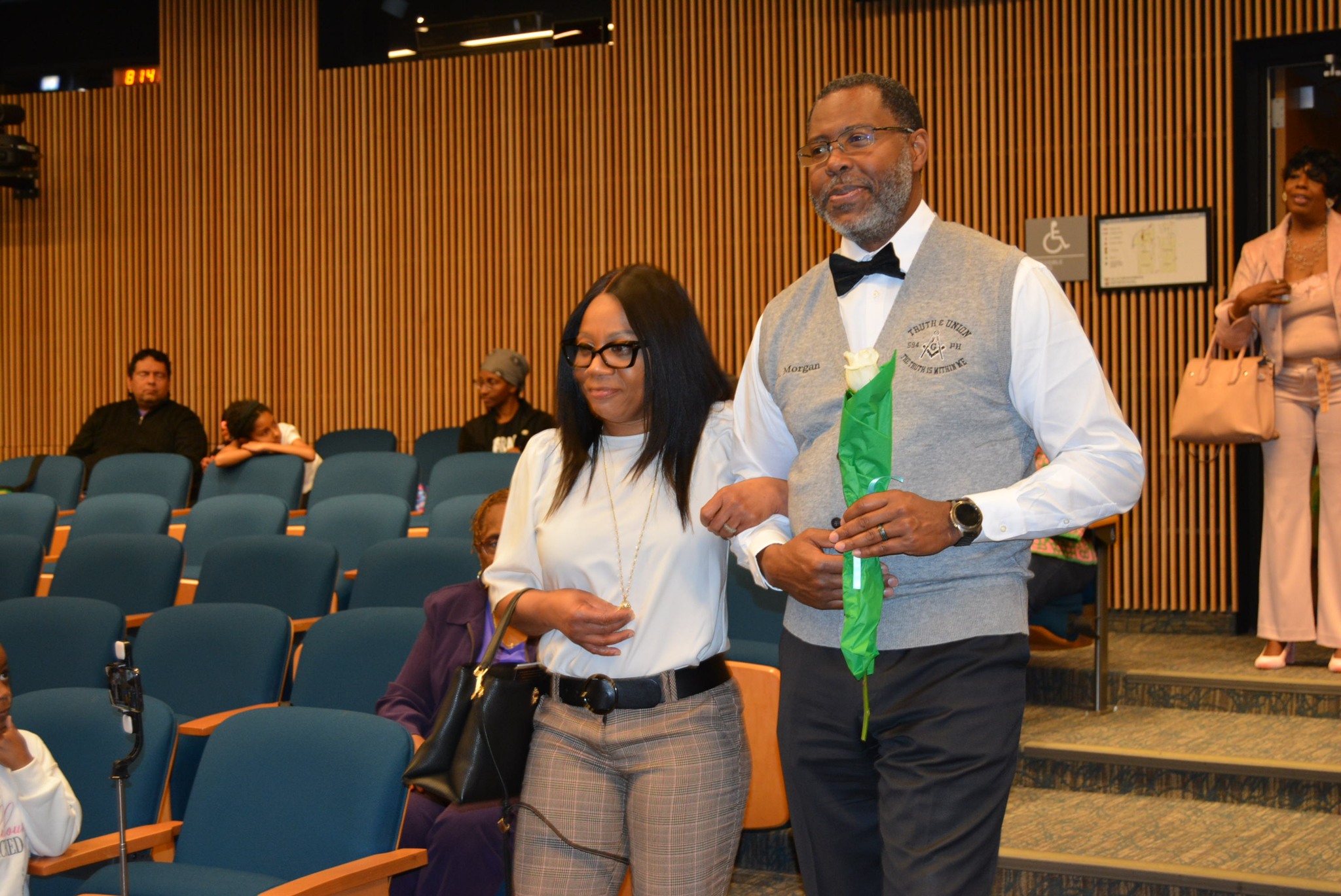
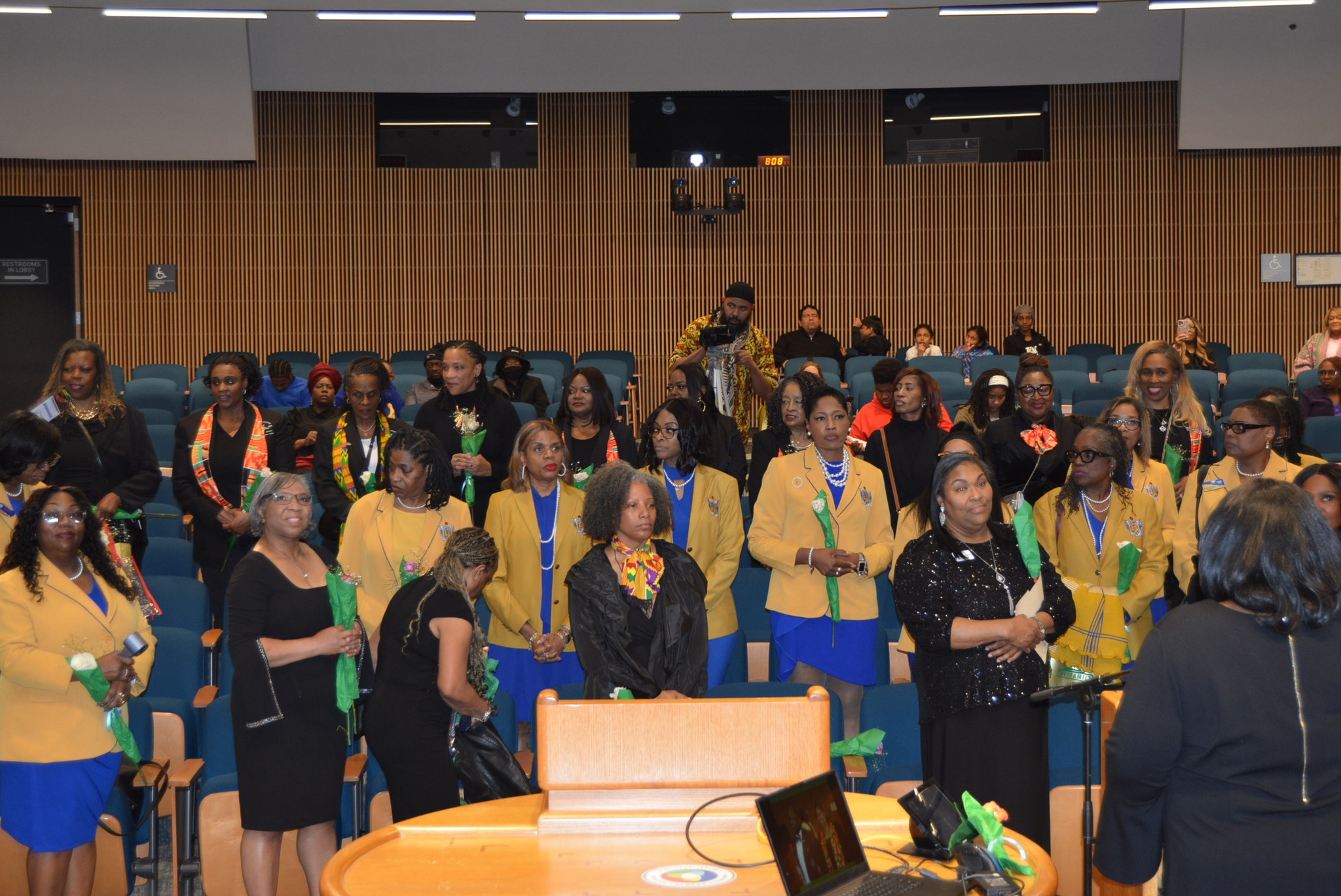
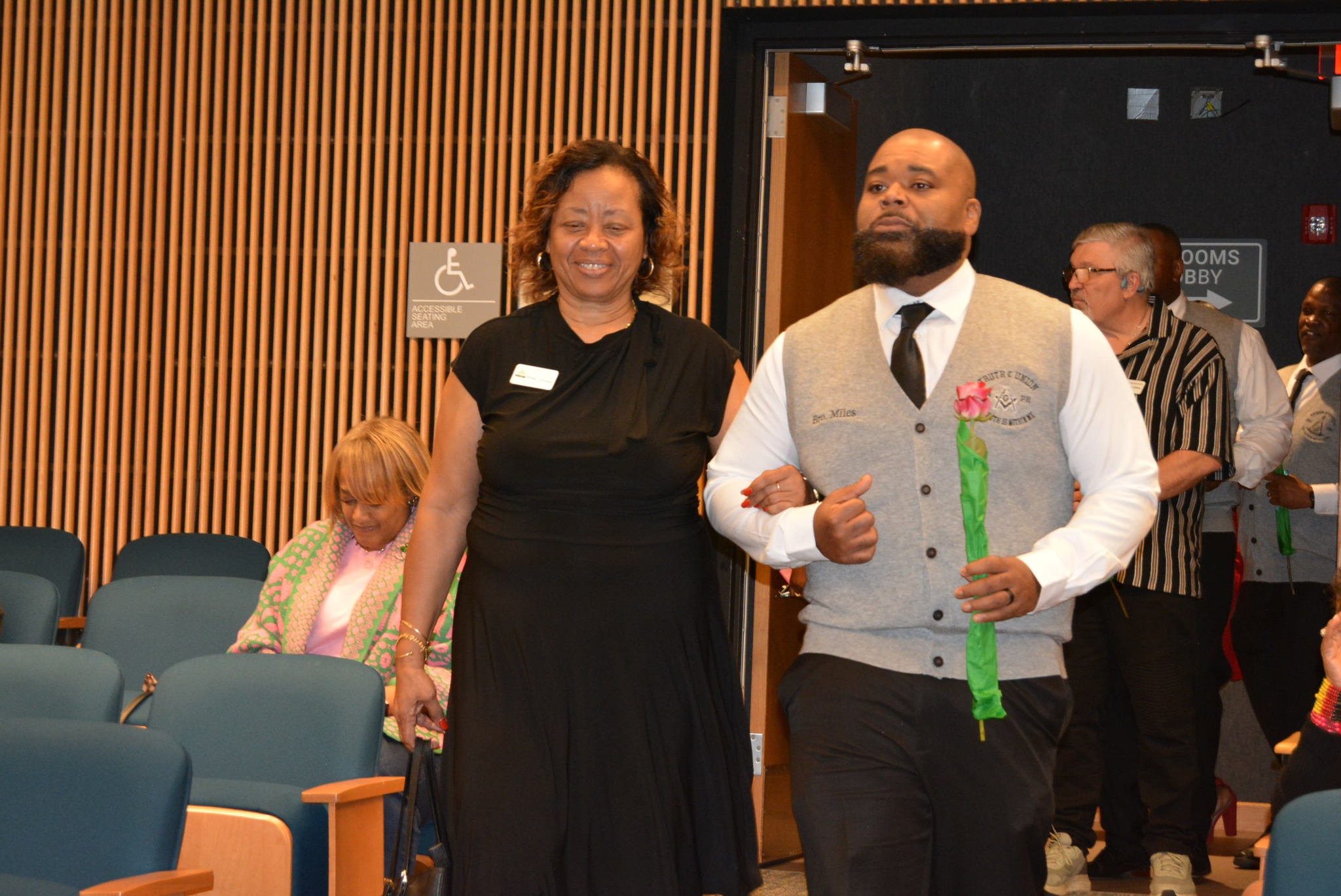
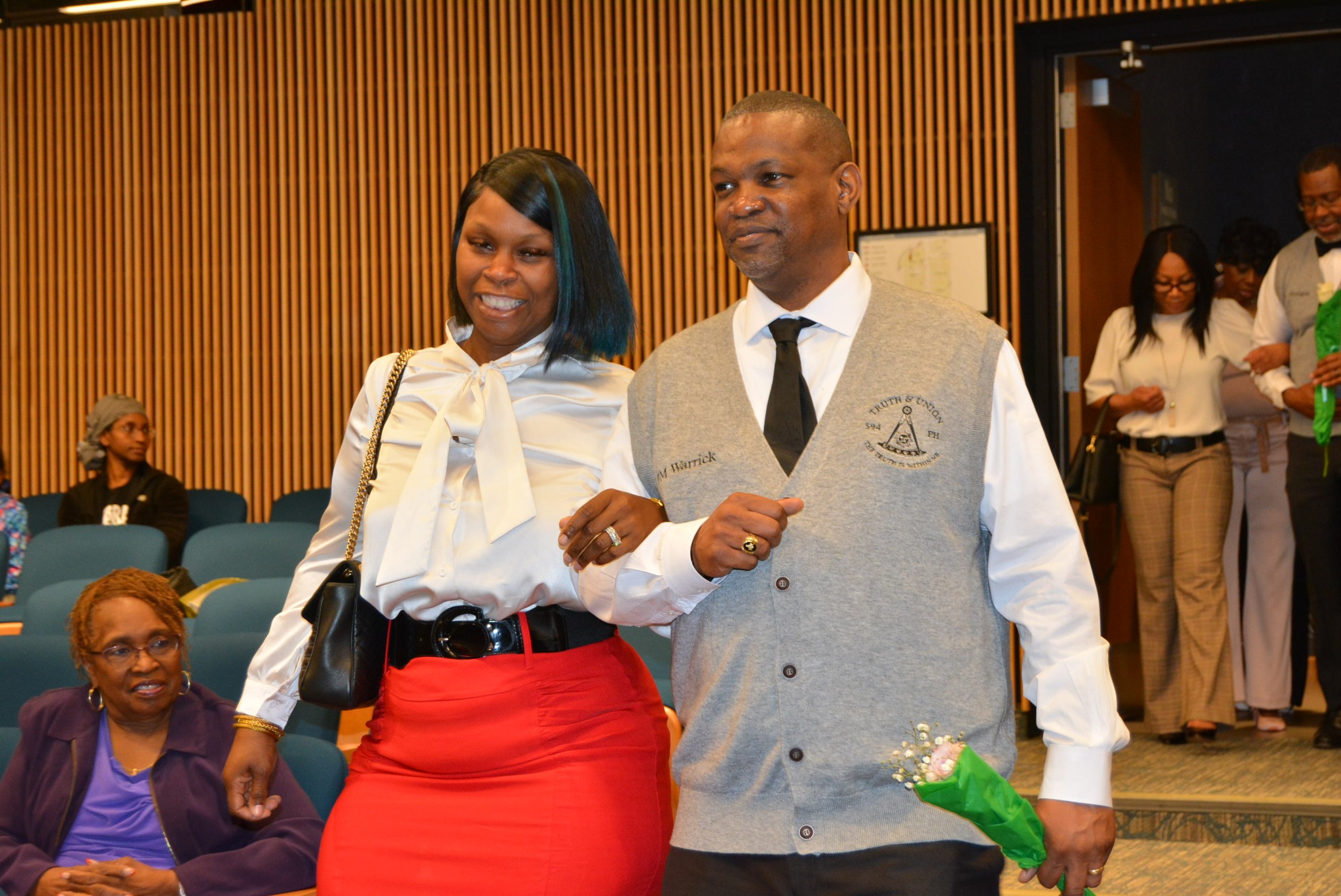
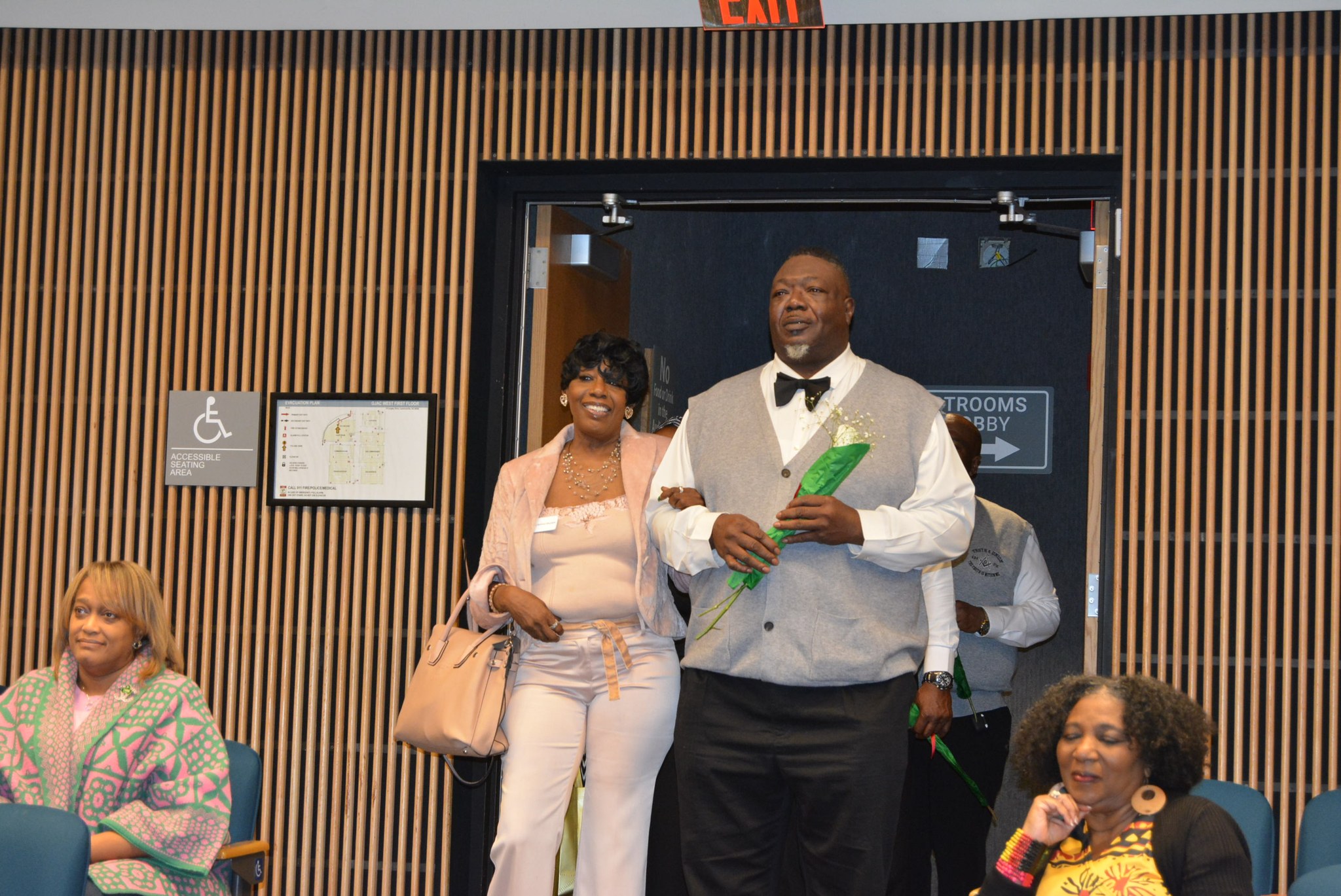
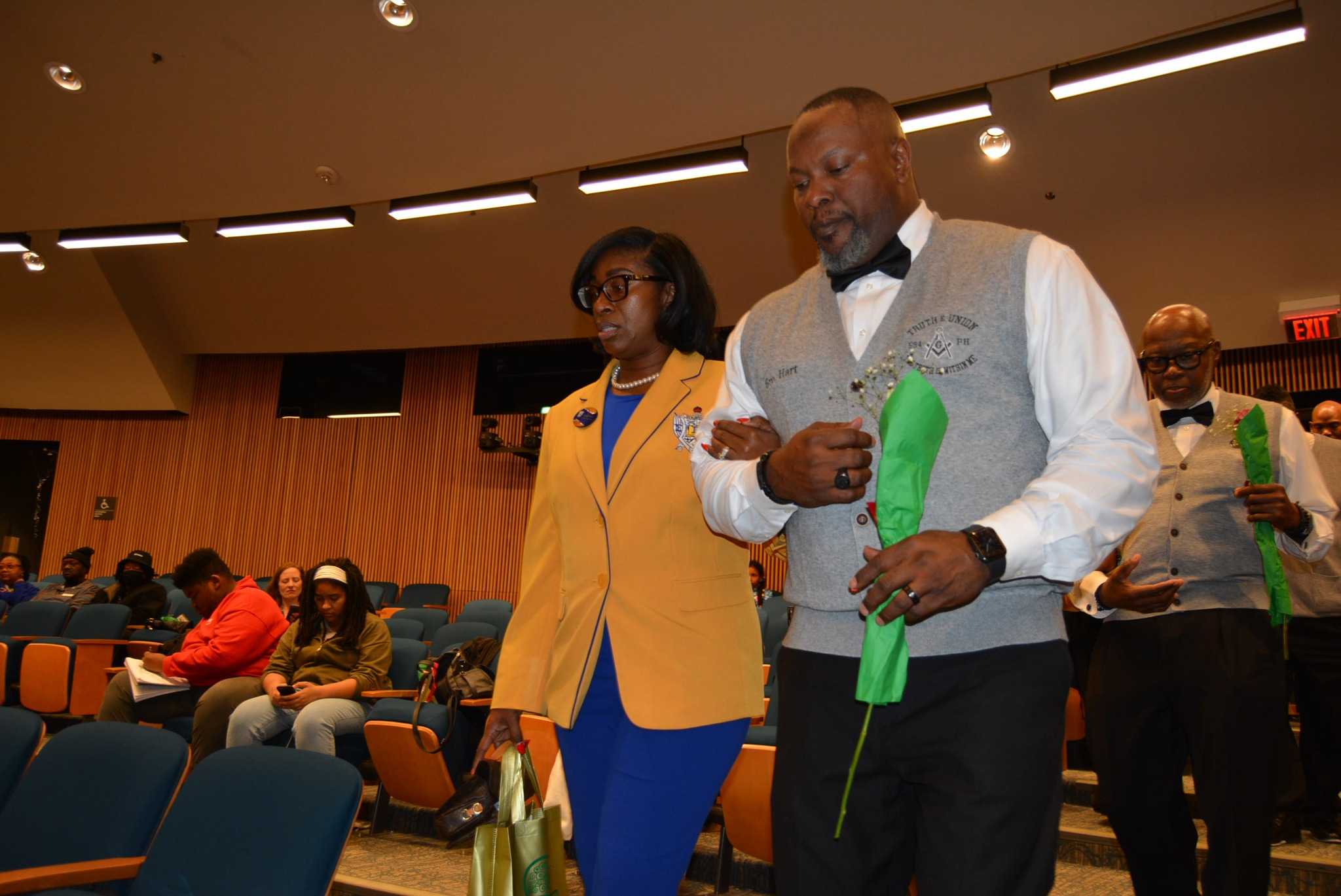
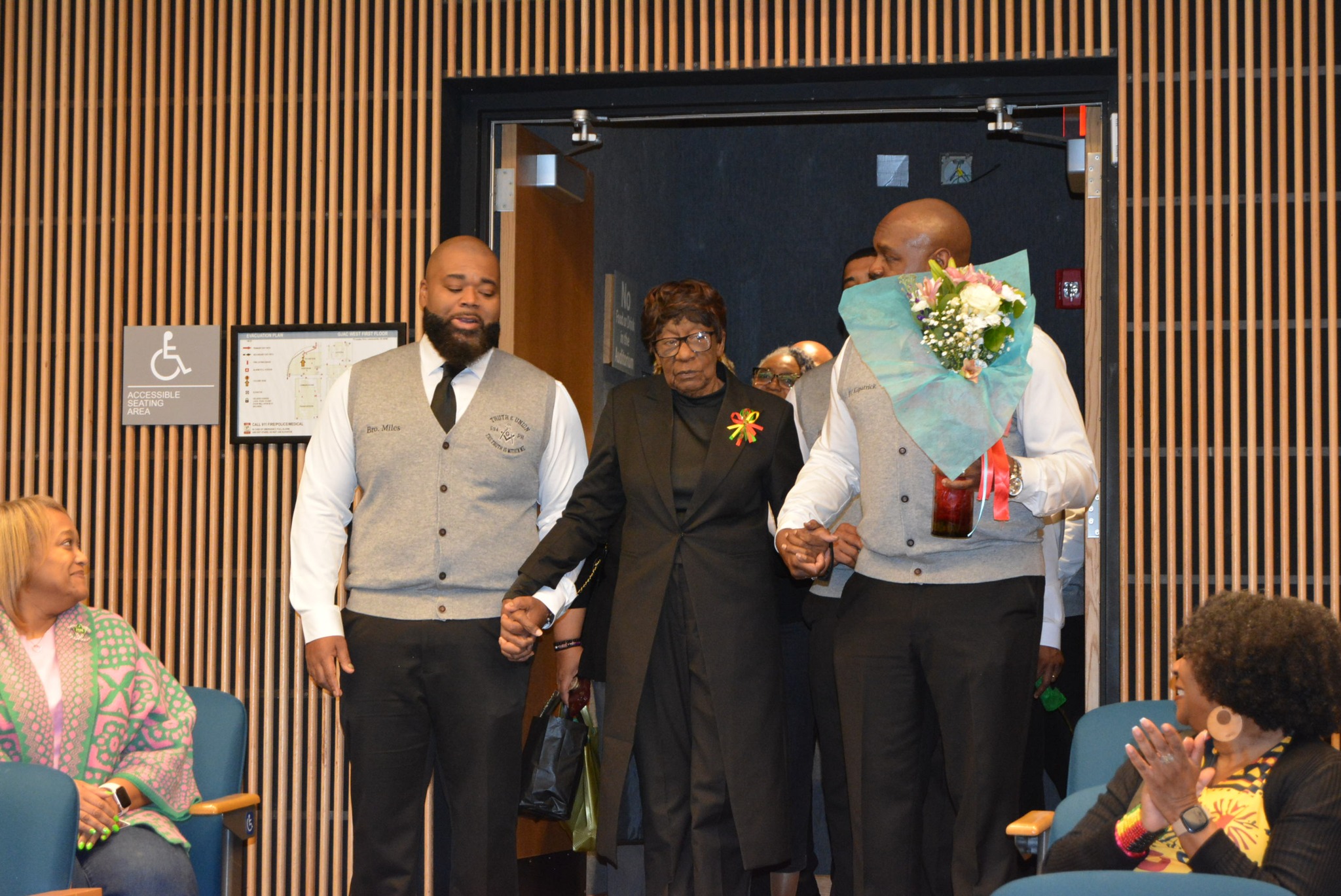
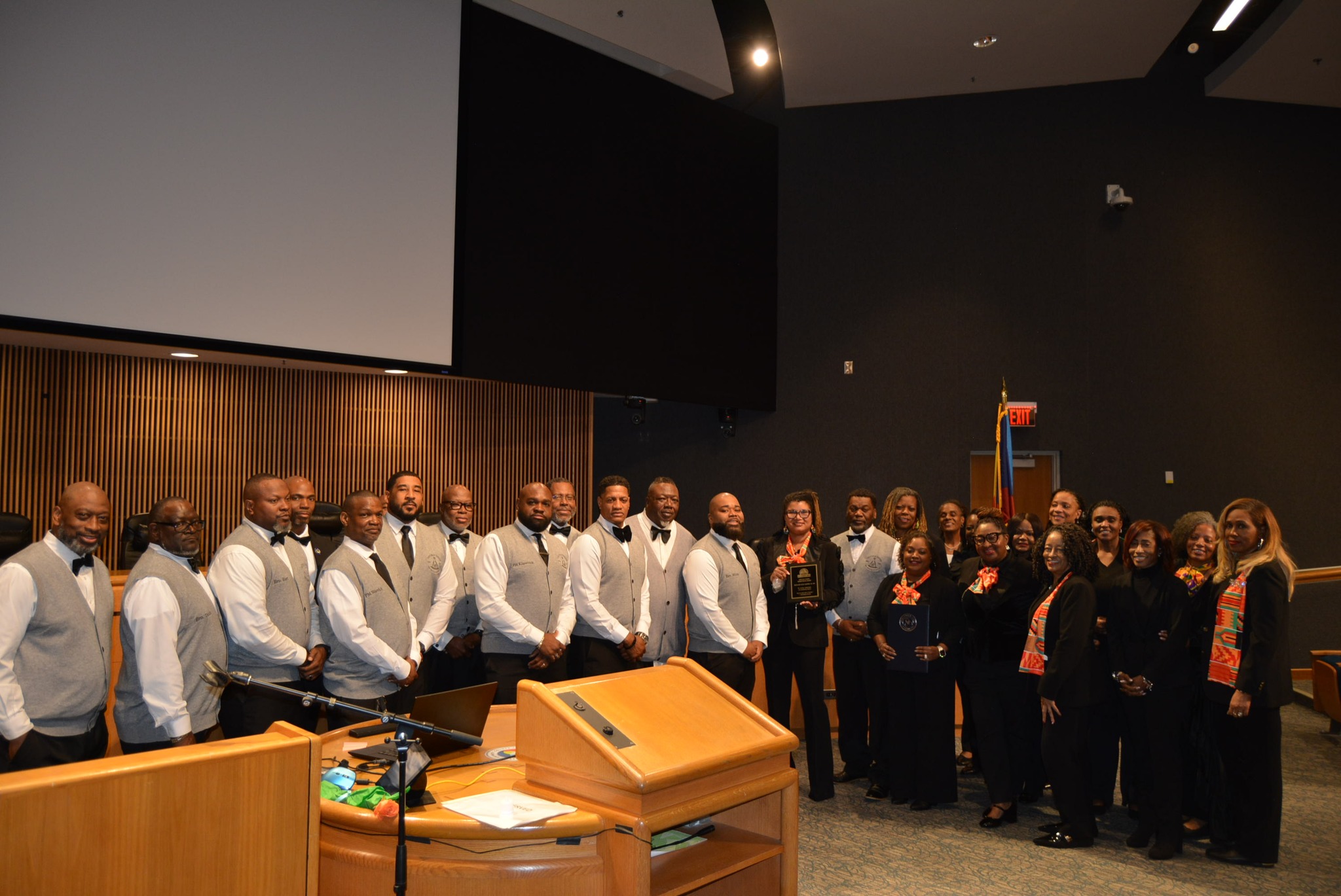
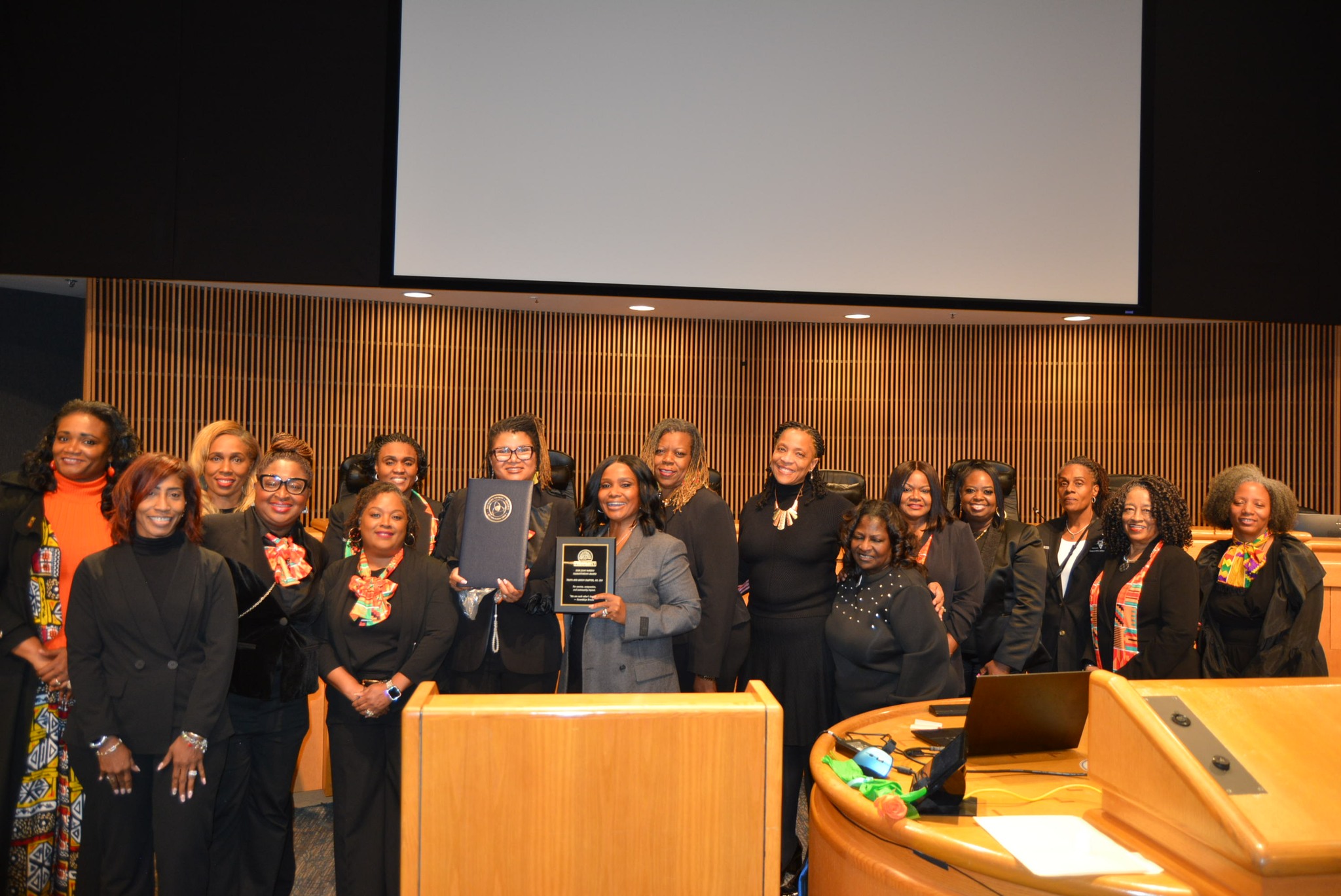
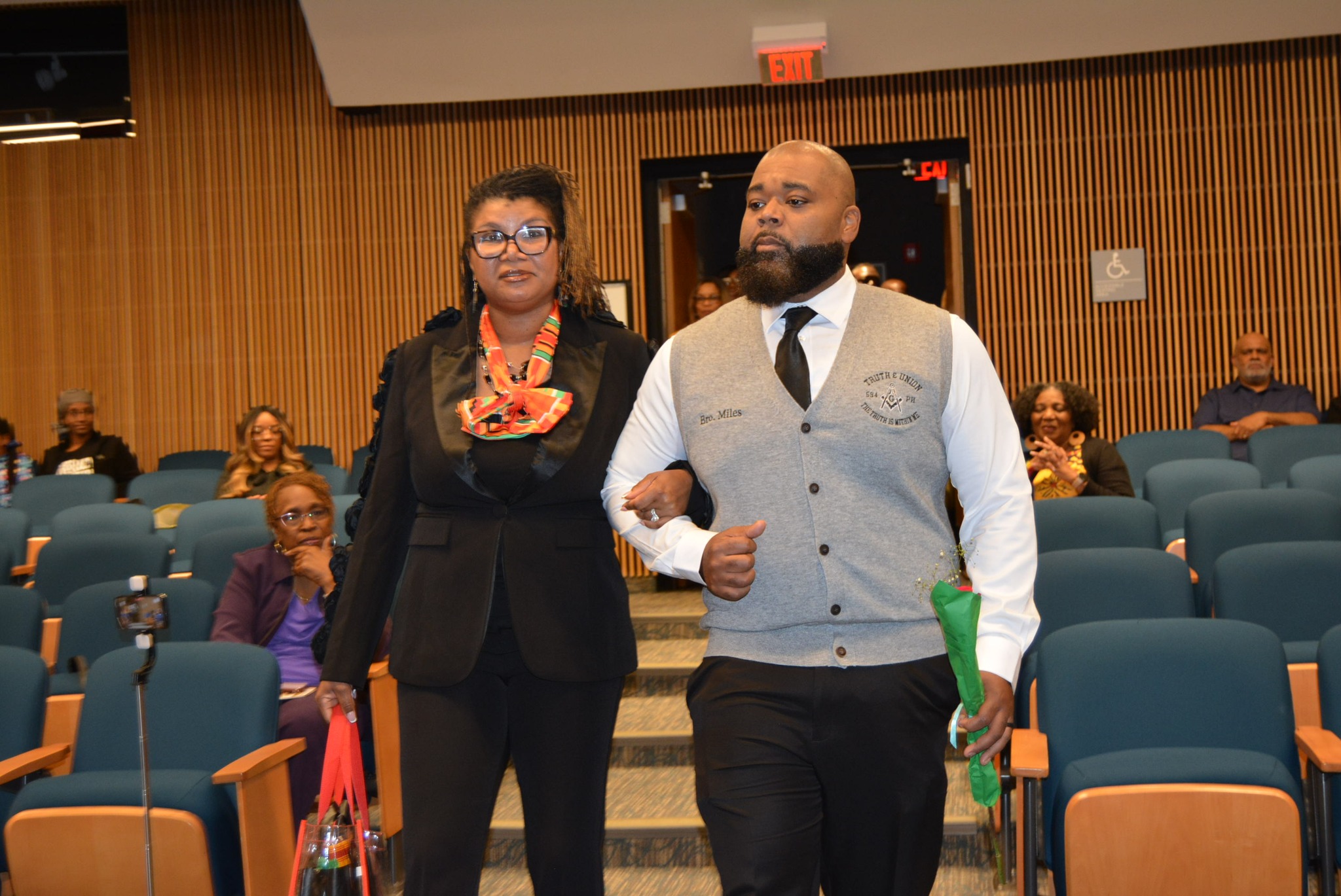
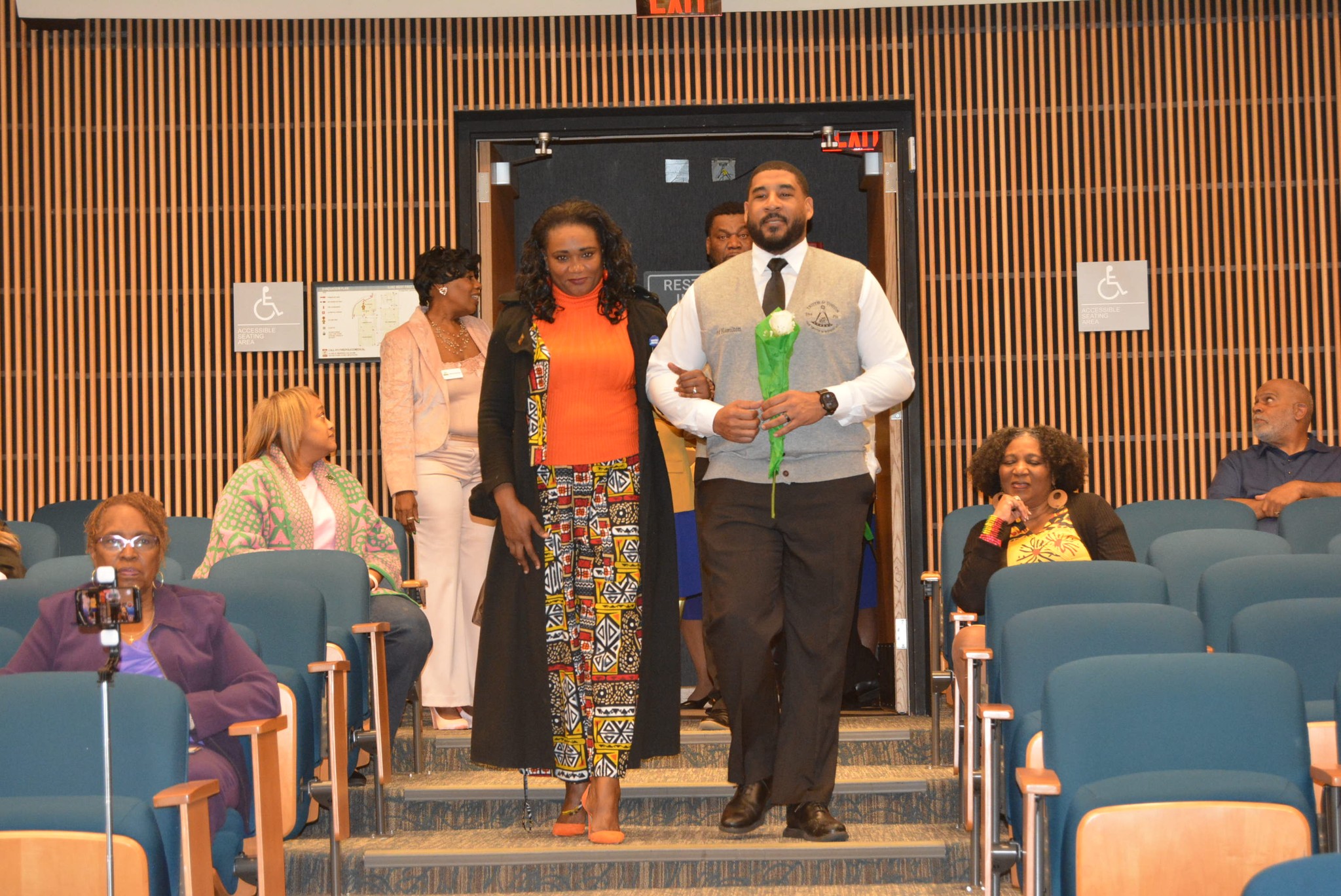
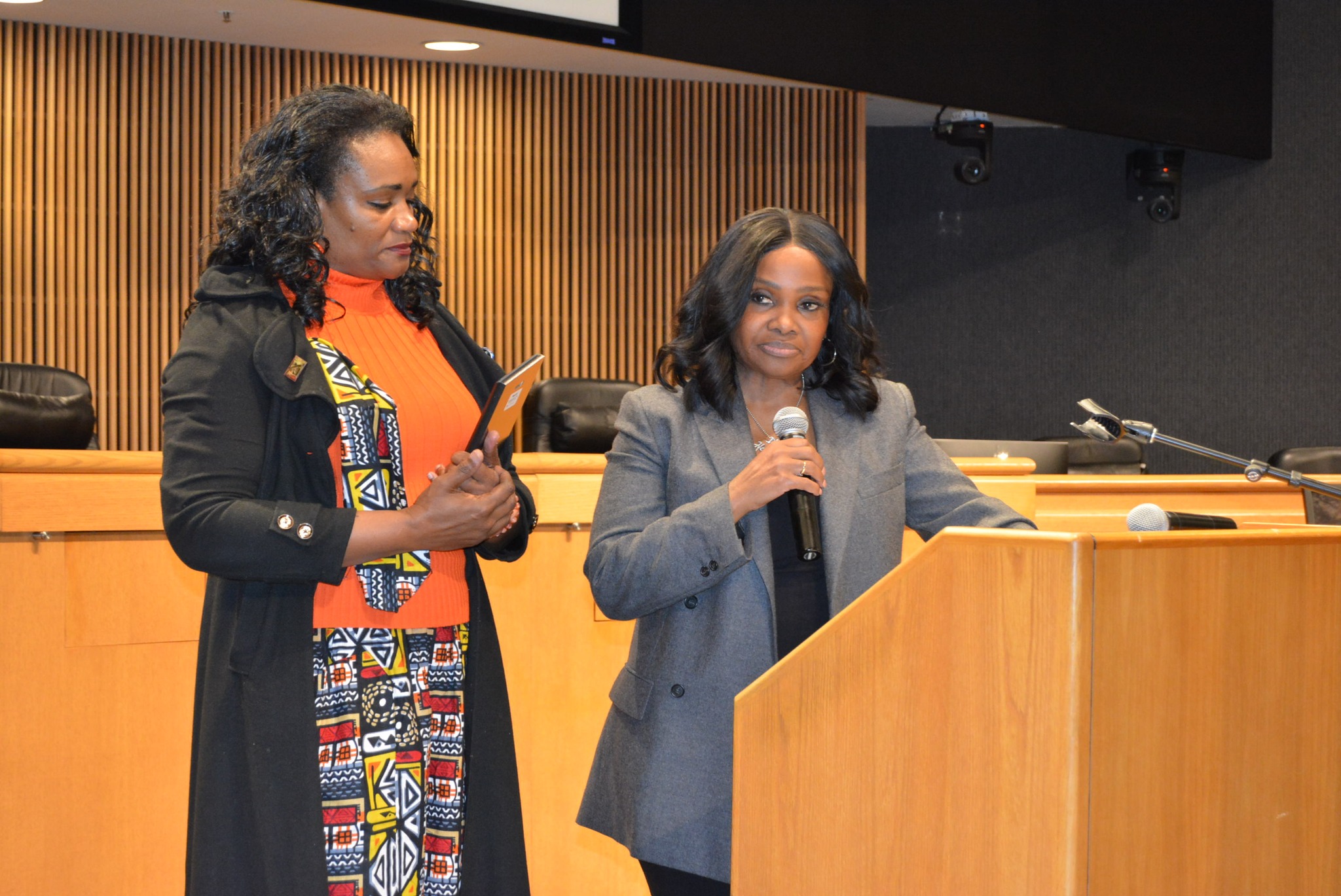
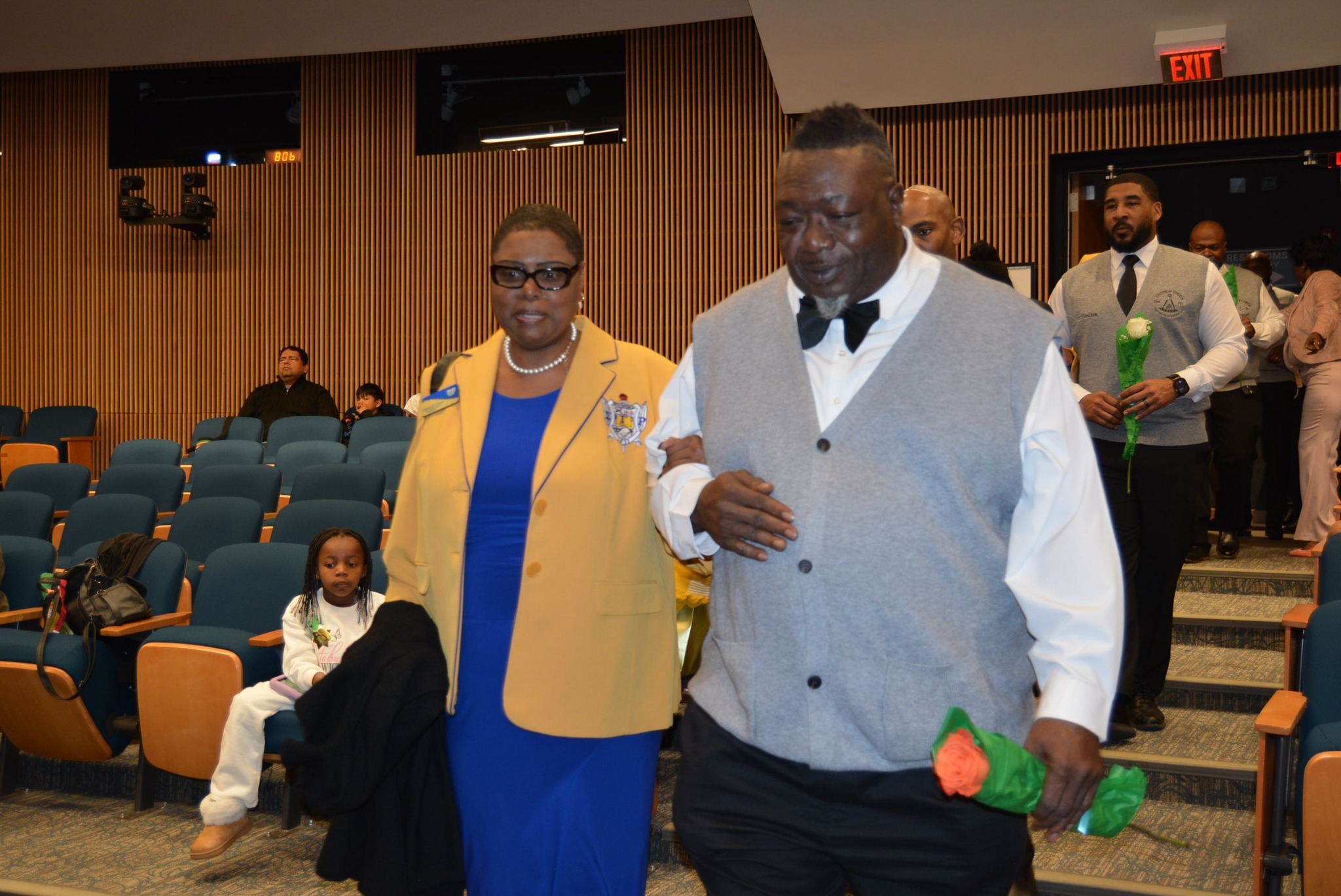
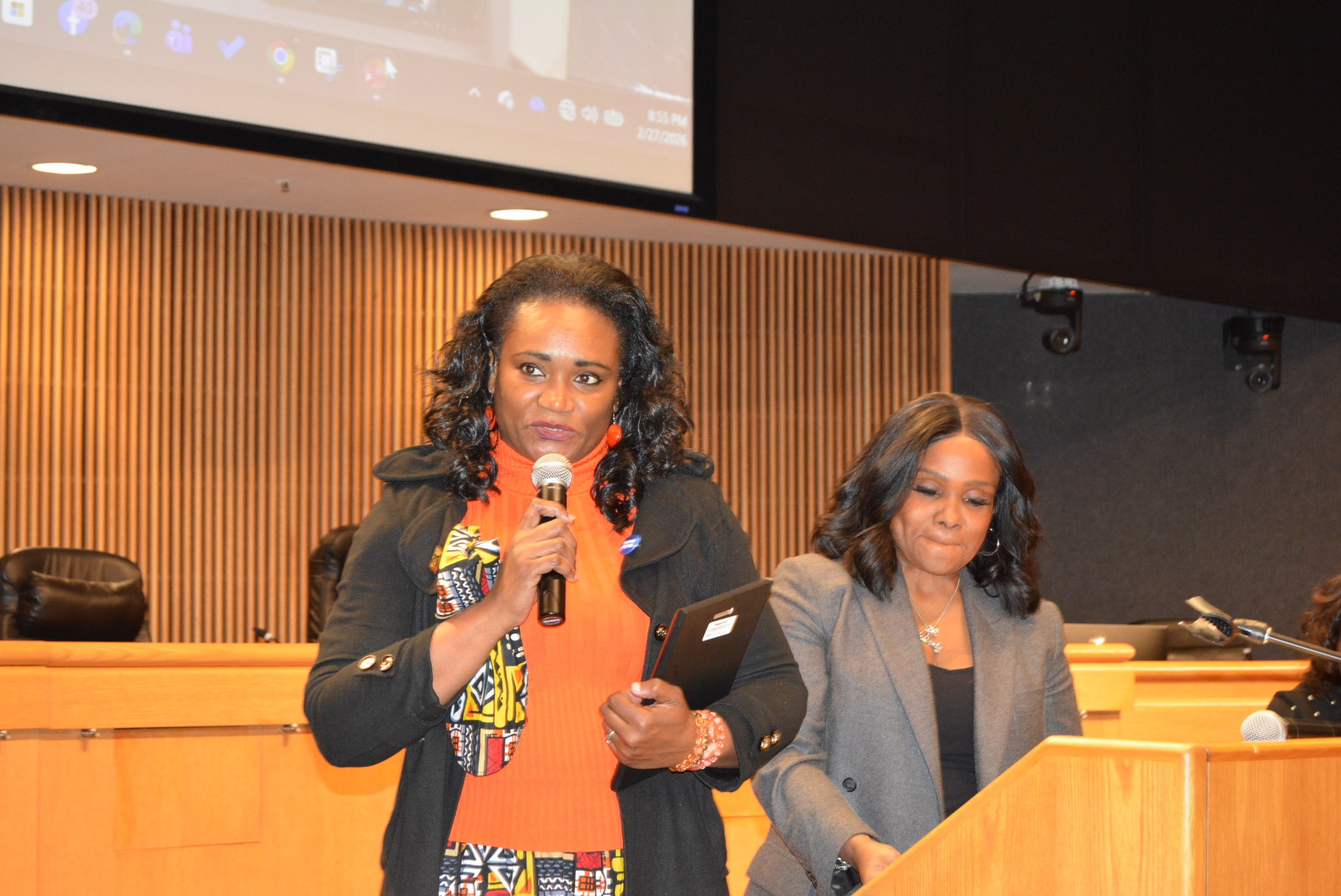
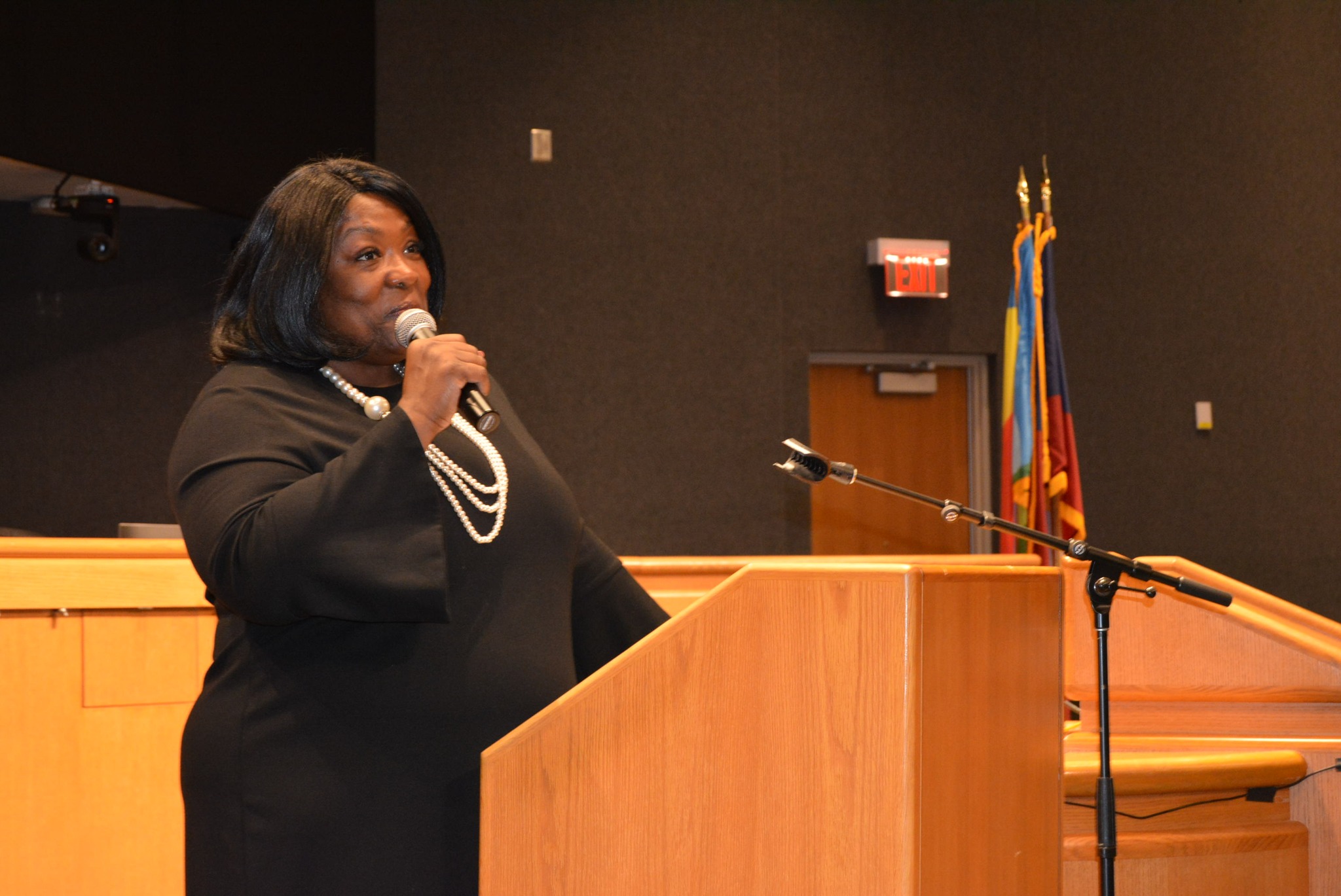
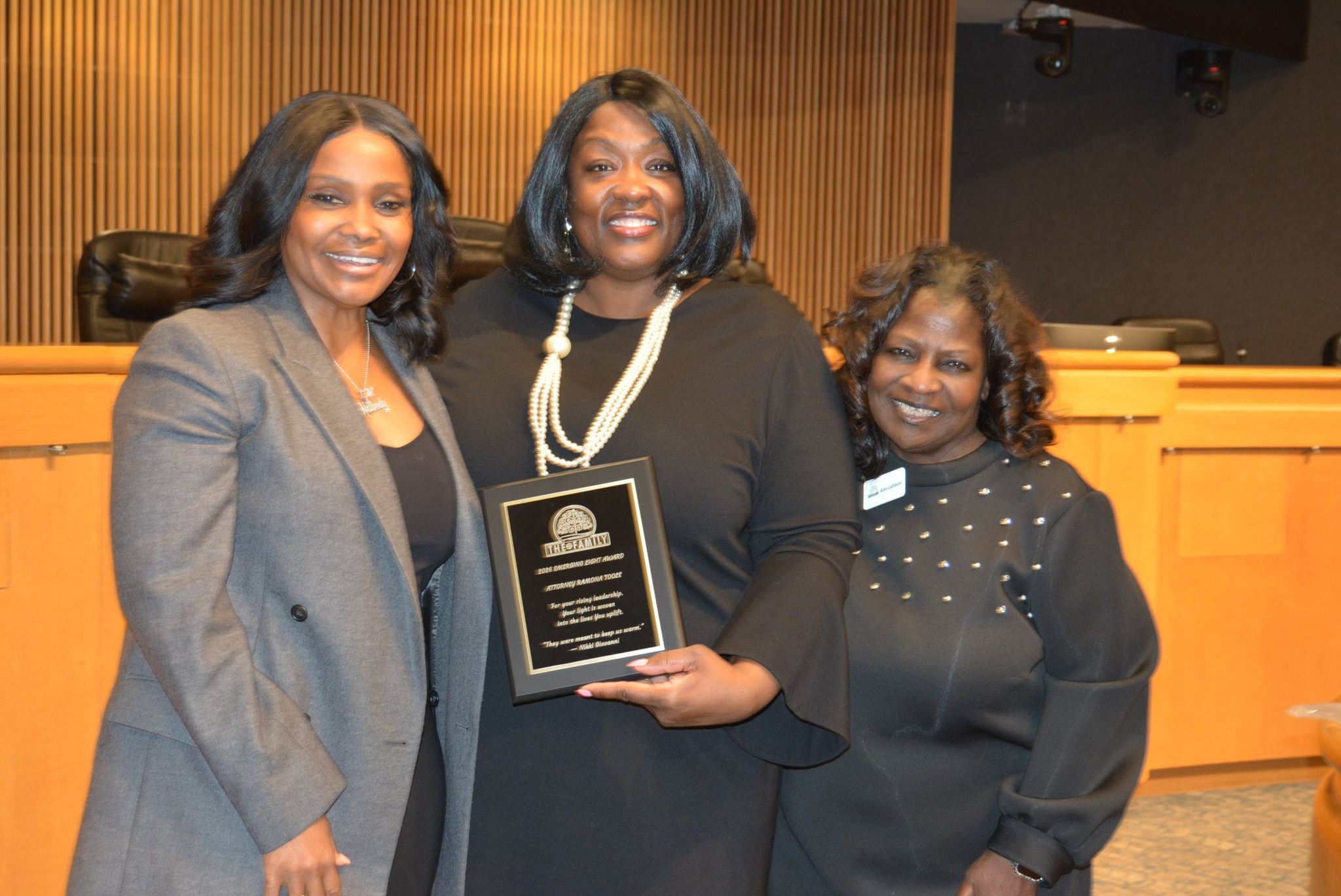
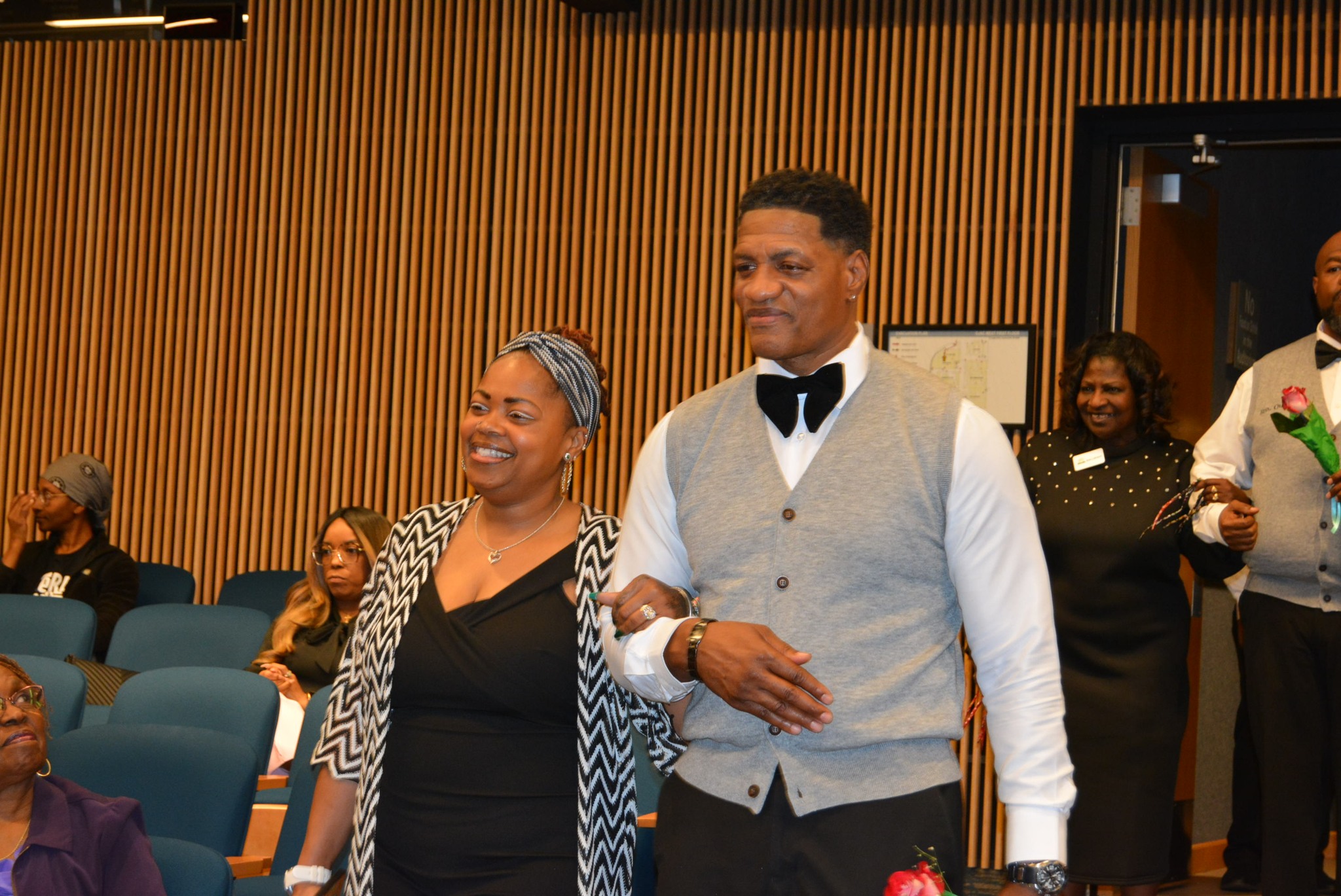
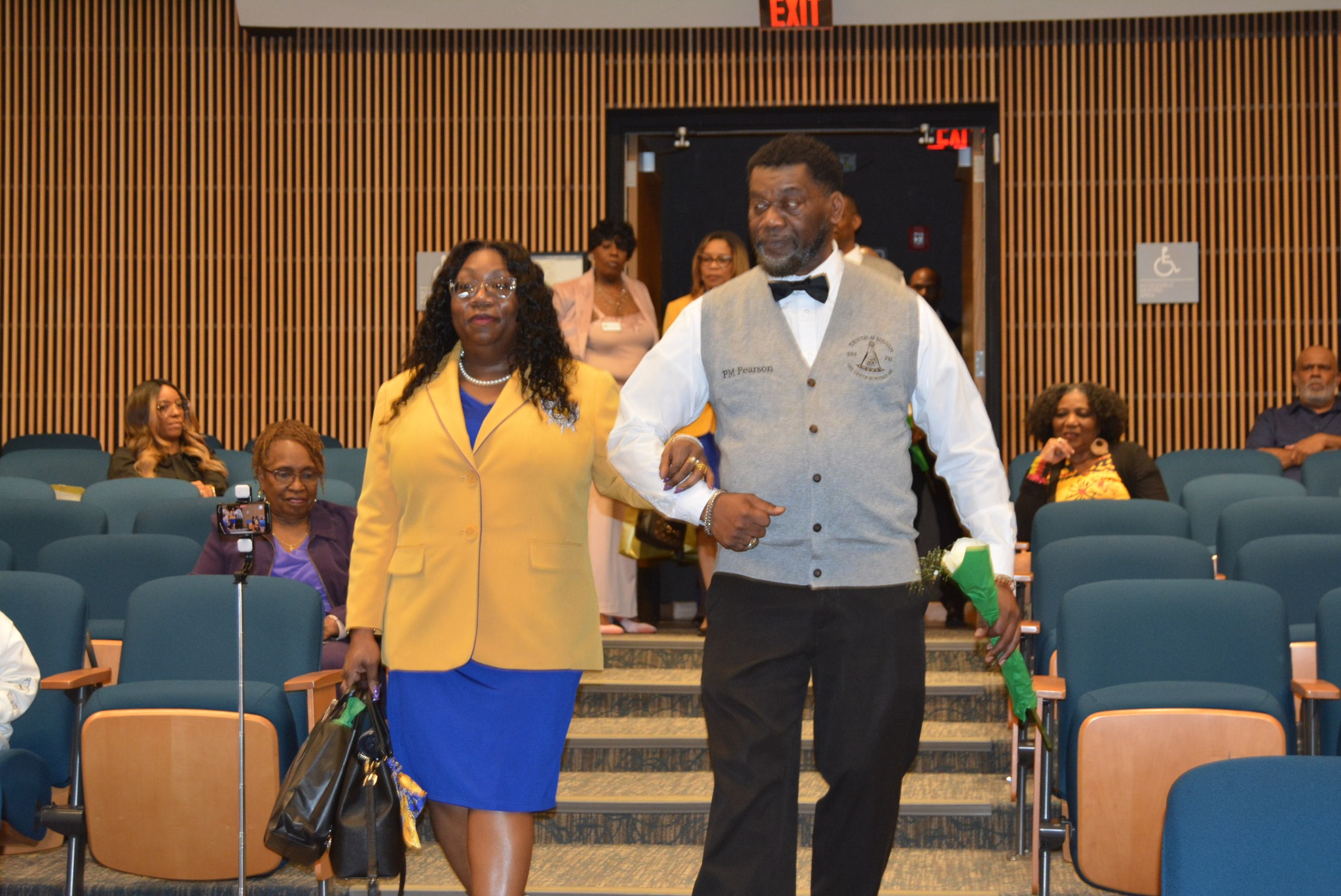
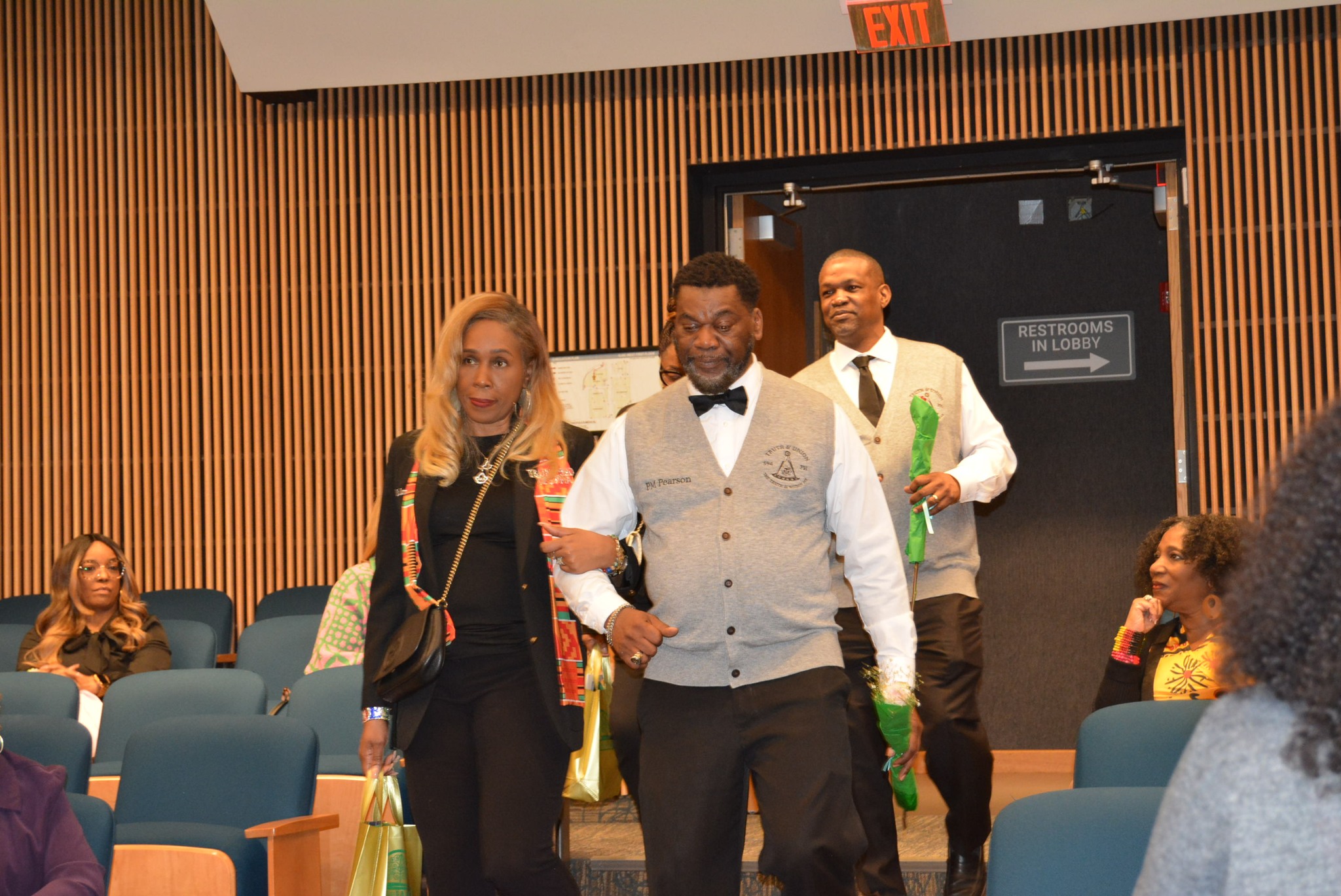
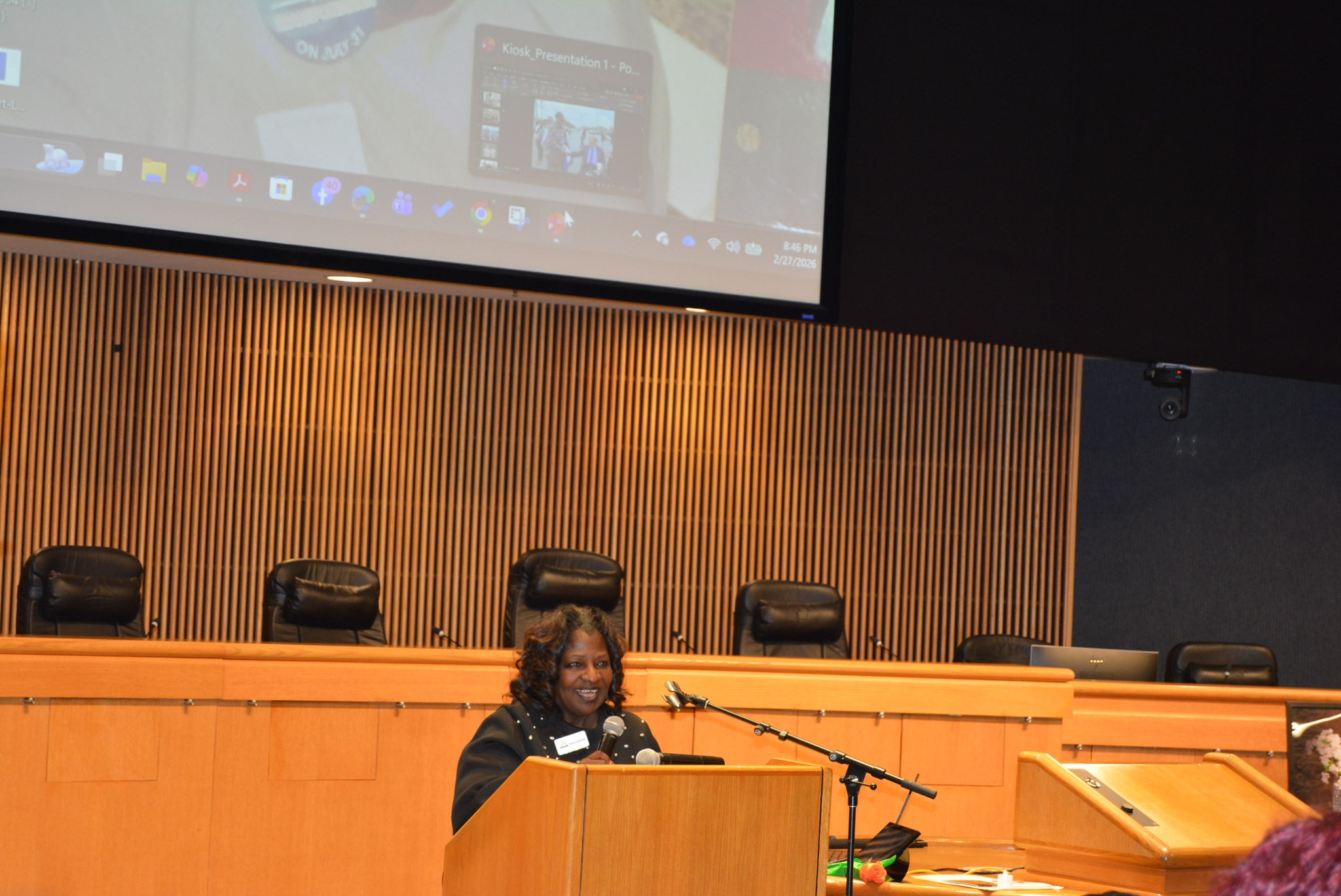
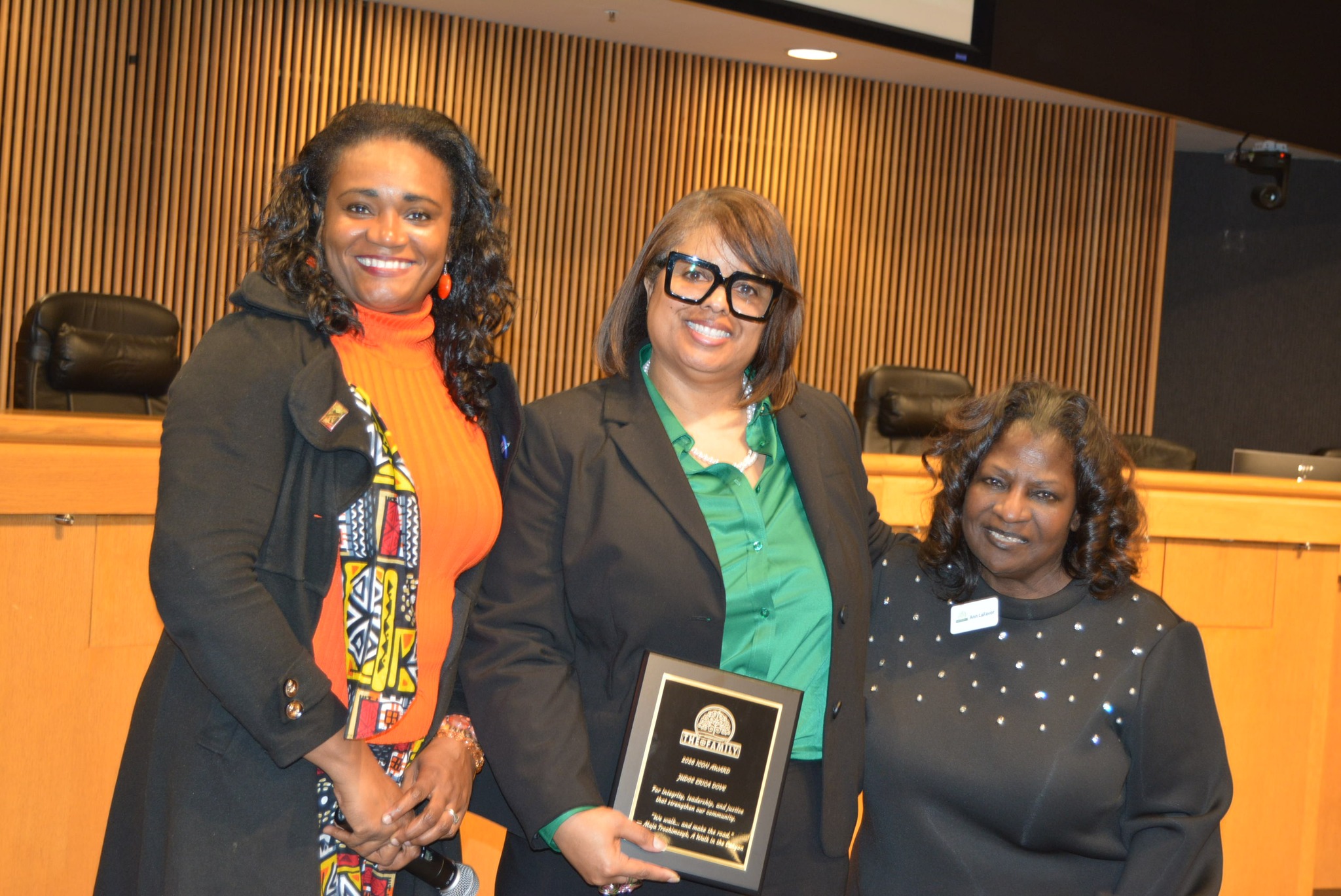
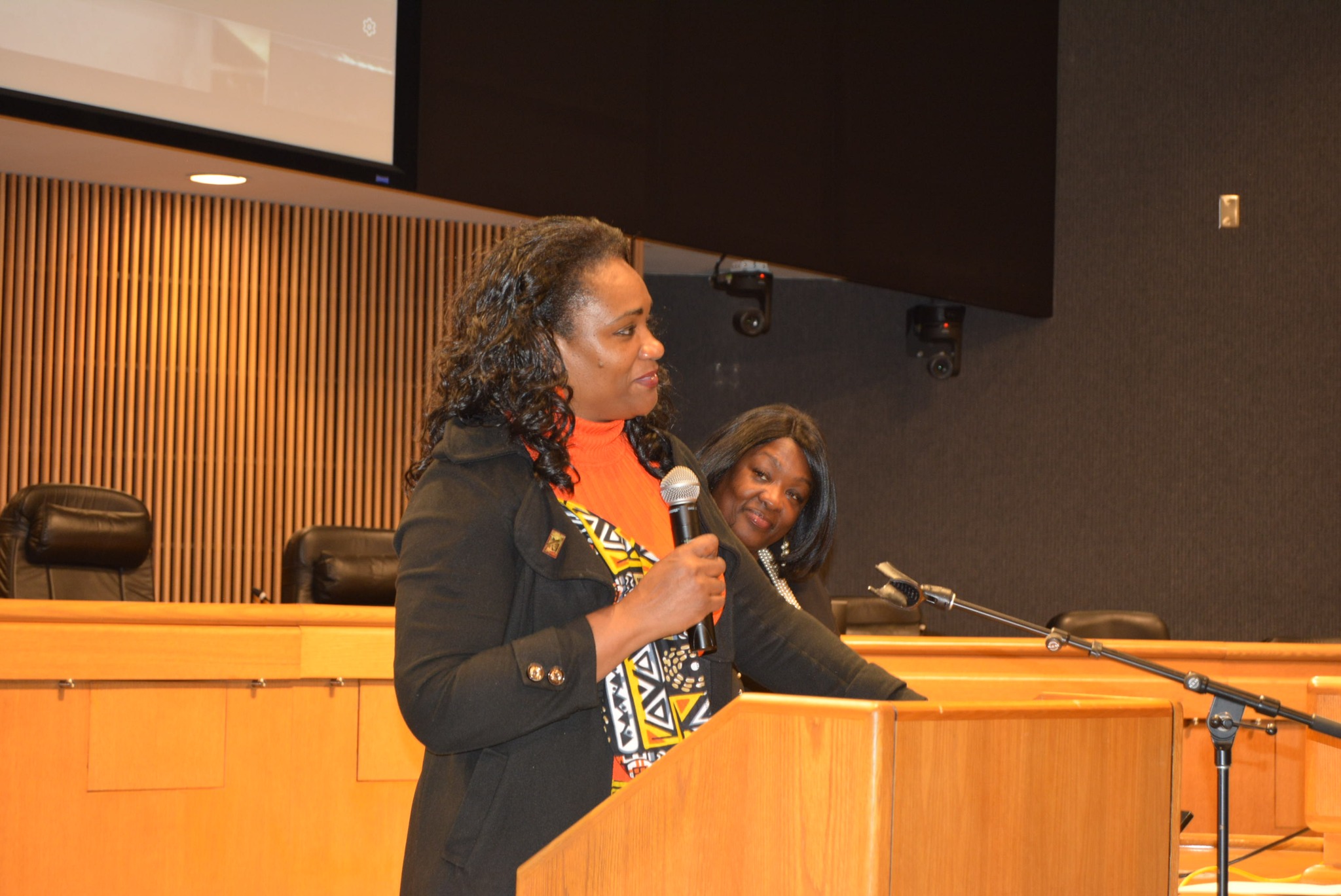
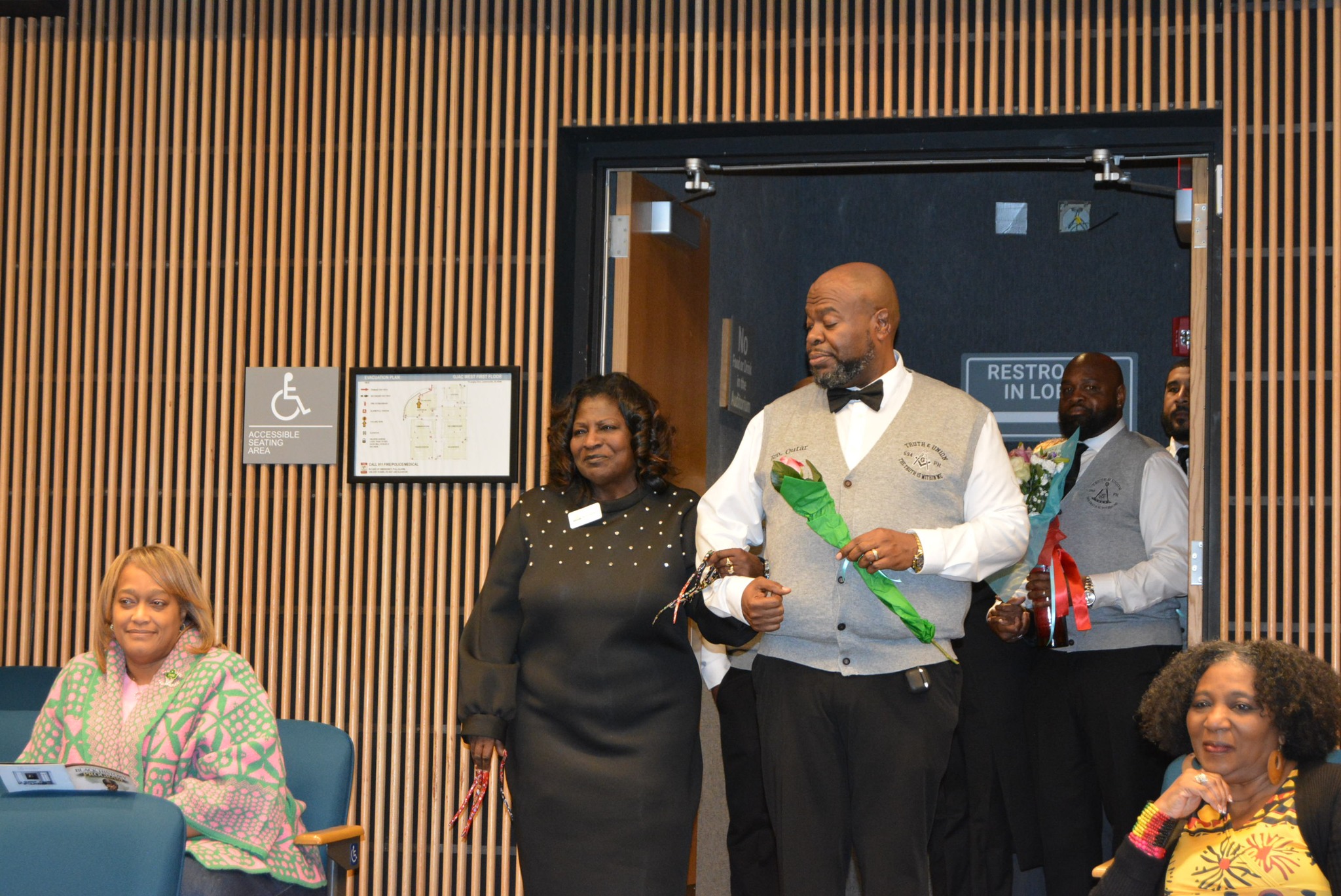
The Family Gwinnett is proud to invite the community to a powerful in-person celebration honoring Black history, culture, and legacy in Gwinnett County. This meaningful gathering brings people of all ages together to reflect, learn, and celebrate the stories that have shaped our local community and continue to inspire future generations.
Honoring Our Past, Empowering Our Future
Black history in Gwinnett County is rich with resilience, leadership, and cultural impact. This special program will highlight the achievements and contributions of Black leaders—past, present, and future—through engaging reflections, shared stories, and moments of connection rooted in community pride.
Whether you are deeply connected to local history or just beginning your journey of learning, this celebration offers a welcoming space to grow in understanding and unity.
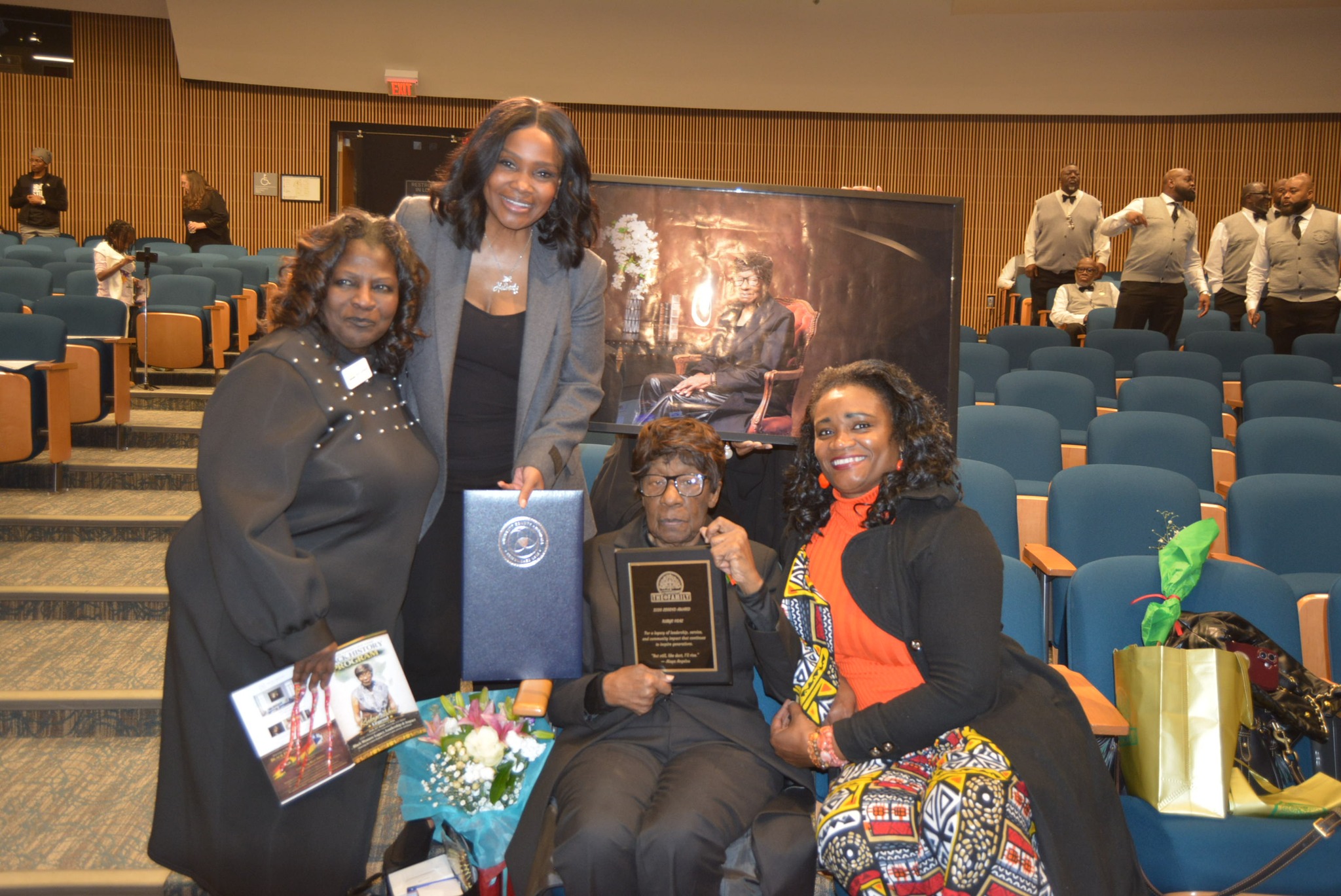
Community Spotlight: Rubye Neal of Lawrenceville, Georgia
We are honored to recognize Rubye Neal, a respected community volunteer and historic preservation advocate from Lawrenceville, GA. Her dedication to preserving Gwinnett County’s Black history, including advocacy connected to the historic Hooper-Rework School, has helped ensure that these important stories are remembered and shared for generations to come.
Why This Celebration Matters
Events like this strengthen community bonds and keep local history alive. By honoring Black culture and legacy here in Gwinnett County, we affirm the importance of representation, education, and shared purpose.
This celebration is more than an event—it is a continuation of a cherished tradition rooted in honoring the past while building a stronger future together.
Join Us In Person
Be part of this inspiring Black History celebration with The Family Gwinnett. Bring your family, friends, and neighbors and experience the power of community, culture, and connection.
👉 Register to attend / Learn more about the event
👉 Follow The Family Gwinnett for upcoming community programs
👉 Support our mission to uplift families and preserve local history